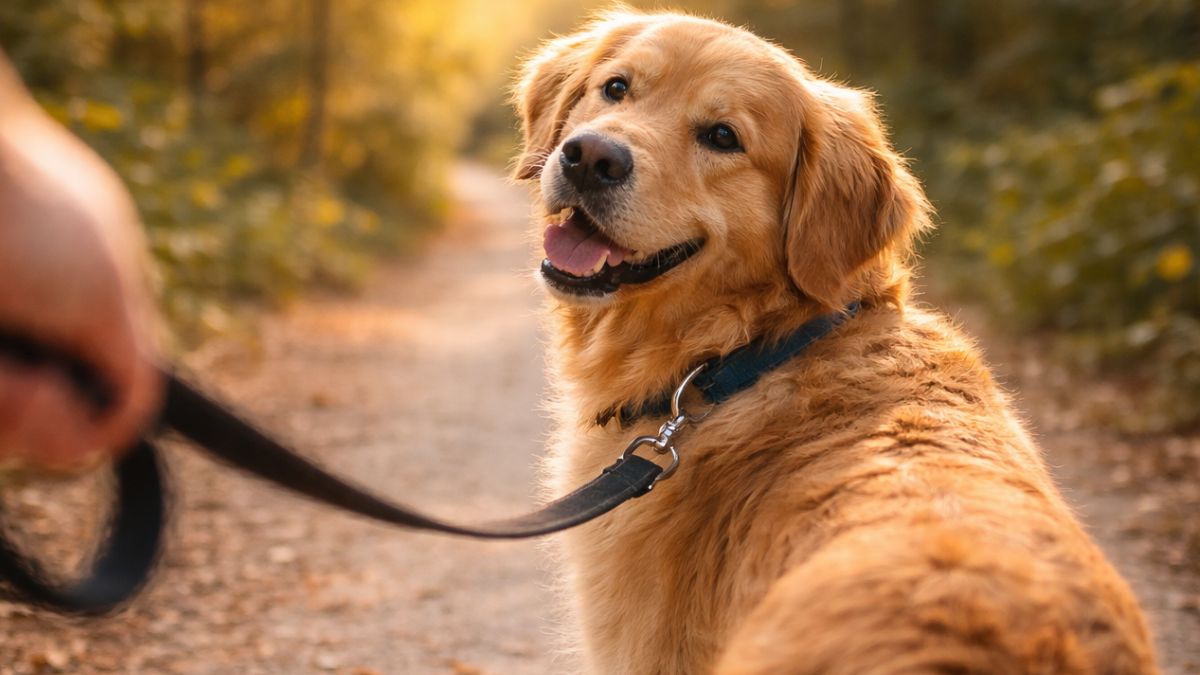
Your dog keeps turning around to look at you during walks, and you’re wondering what’s going on. Is it normal? Does it mean something specific? Should you be concerned?
The short answer: Yes, it’s completely normal. This behavior is a form of communication between you and your dog—not random, not concerning, just your dog being… well, a dog.
Let’s break down exactly what your furry friend is telling you with those backward glances.
The 5 Most Common Reasons Dogs Look Back During Walks
1. Checking In for Guidance
Your dog sees you as the leader of their pack. When they look back, they’re essentially asking:
“Are we going the right way? Is this okay? Should I keep going?”
This is especially common with:
- Newly adopted dogs still learning your routine
- Dogs in unfamiliar areas
- Well-trained dogs who follow your lead closely
What it looks like:
- Brief glance, then continues walking
- Happens at intersections or decision points
- Often followed by waiting for your cue
What to do: Acknowledge with a smile, nod, or verbal praise like “Good walk!” This reinforces the bond and their confidence.
2. Seeking Reassurance
Dogs are social animals. For many, you’re their safety anchor in the outside world.
The backward glance means:
“You’re still there, right? Just making sure.”
Common in:
- Anxious or nervous dogs
- Puppies exploring the world
- Rescue dogs building trust
- After encountering something scary (loud noise, another dog, etc.)
What it looks like:
- More frequent glances in busy areas
- Accompanied by ears slightly back or cautious body posture
- May slow down or stop until they see you
What to do: Stay calm and reassuring. Your relaxed energy helps them feel safe. Avoid over-coddling, which can reinforce anxiety.
3. Waiting for Permission
If you’ve trained your dog well, they might be looking back to check if they can:
- Sniff that interesting tree
- Greet another dog
- Move forward after stopping
- Explore off to the side
This is actually GREAT behavior! It shows:
- Respect for your authority
- Good impulse control
- Strong training foundation
What it looks like:
- Dog pauses, looks back, waits
- Might glance between you and the “target” (tree, dog, etc.)
- Relaxed body language, just seeking approval
What to do: Give clear signals—“Okay!” for permission, or “Let’s go” to keep moving. Consistency helps them understand your cues better.
4. Sharing Excitement
Some dogs look back simply to share the joy of the moment with you.
“This walk is AMAZING! Are you seeing this too?!”
Common in:
- Happy, enthusiastic dogs
- After spotting something exciting (squirrel, bird, another dog)
- During favorite parts of the route
What it looks like:
- Tail wagging while looking back
- “Smile” face (relaxed, open mouth)
- Might do a little bounce or playful movement
- Often followed by eager forward movement
What to do: Match their enthusiasm! A simple “I know, buddy!” or happy tone reinforces the shared experience and strengthens your bond.
5. Monitoring Your Pace or Mood
Dogs are incredibly perceptive. They pick up on:
- How fast you’re walking
- Your energy level
- Your emotional state
When they look back, they’re adjusting to YOU:
- Slowing down if you’re tired
- Checking if you’re distracted (phone, talking to someone)
- Sensing if something is bothering you
What it looks like:
- Glances while adjusting their speed
- More frequent checks when you’re not your usual self
- Might come back to walk closer to you
What to do: Recognize this as their empathy in action. If you need to slow down, it’s okay. If you’re stressed, they know—and they care.
What This Behavior Does NOT Mean
Let’s clear up some common misconceptions:
❌ It’s NOT Dominance
The outdated “alpha dog” theory has been debunked. Your dog looking back isn’t challenging you or testing boundaries. It’s communication and connection, not a power play.
❌ It’s NOT Anxiety by Default
While anxious dogs do look back more, the behavior itself isn’t automatically a sign of anxiety. Context matters. A relaxed dog checking in is very different from a scared dog constantly seeking reassurance.
How to tell the difference:
- Healthy check-in: Brief glance, relaxed body, continues walking
- Anxiety: Prolonged staring, tense body, reluctance to move forward, ears back, tail tucked
❌ It’s NOT Disobedience
If your dog looks back frequently, they’re not ignoring you or being stubborn. In fact, it’s often the opposite—they’re trying to stay connected and follow your lead.
Exception: If they’re pulling ahead and then looking back with a “hurry up!” expression, that might need some leash training work!
When You Should Pay Attention (Rare Cases)
While looking back is normal, there are a few situations where it might signal something needs attention:
🚨 Excessive Checking + Anxiety Signs
If your dog:
- Looks back constantly (every few steps)
- Seems unable to relax or enjoy the walk
- Shows other stress signals (panting excessively, lip licking, yawning)
- Refuses to walk ahead at all
Possible causes:
- Separation anxiety
- Past trauma (especially in rescues)
- Pain or physical discomfort making them uncertain
- Under-socialization to outdoor environments
What to do: Work with a certified dog trainer or veterinary behaviorist. This level of anxiety can often be improved with patience and proper techniques.
🚨 Sudden Change in Behavior
If your dog suddenly starts looking back excessively when they never did before:
Check for:
- Vision or hearing changes (especially in senior dogs)
- Pain or injury affecting their gait
- Recent scary experience on walks
- Changes at home causing general insecurity
What to do: Schedule a vet checkup to rule out medical issues. If health is fine, consider recent environmental changes that might be affecting them.
🚨 Fearful Body Language
Looking back + these signs needs attention:
- Tail tucked between legs
- Ears pinned back
- Body crouched or trying to turn around
- Trying to hide behind you
This isn’t just checking in—it’s fear.
What to do:
- Don’t force them forward
- Assess the environment for triggers
- Build positive associations gradually
- Consider professional help if persistent
How to Respond When Your Dog Looks Back at You
The way you respond can strengthen your bond and make walks more enjoyable for both of you.
✅ Do This:
1. Acknowledge Them
- Make eye contact
- Smile or use a happy tone
- A simple “Good boy/girl!” works wonders
2. Provide Clear Signals
- If they’re waiting for direction, give it: “Let’s go!” or “This way!”
- If they’re checking in, reassure them: “You’re doing great!”
- Be consistent with your verbal cues
3. Keep Your Energy Positive
- Dogs mirror our emotions
- Relaxed, confident you = relaxed, confident dog
- Even if they’re nervous, your calm helps them regulate
4. Reward the Good Stuff
- If they check in and then continue walking nicely, that’s worth praising
- Occasional treats for good walking behavior reinforces it
- Physical affection (pat, gentle scratch) when you stop
❌ Avoid This:
1. Ignoring Them Completely
- While you shouldn’t over-react, completely ignoring check-ins can make insecure dogs more anxious
- Balance is key: acknowledge, then continue
2. Getting Frustrated
- It’s communication, not disobedience
- Frustration creates tension, which makes dogs look back MORE
- Stay patient
3. Staring Intensely Back
- Prolonged direct eye contact can be intimidating to some dogs
- Quick acknowledgment is better than a stare-down
4. Being Unpredictable
- If you respond differently each time, your dog gets confused
- Consistency helps them understand what the backward glances achieve
Understanding the Walk from Your Dog’s Perspective
Here’s something beautiful to consider: The walk isn’t just about exercise for your dog—it’s about experiencing the world TOGETHER.
When your dog looks back at you, they’re:
- Including you in their adventure
- Making sure you’re safe too
- Sharing their joy
- Confirming you’re a team
You’re not just walking your dog. You’re walking WITH your dog.
That backward glance? It’s them saying:
“I’m so glad we’re doing this together. Are you having a good time too?”
And honestly, that’s one of the purest forms of love.
Quick Tips to Improve Your Walking Experience
For dogs who check in a lot (the anxious ones):
- Practice short, positive walks first
- Bring high-value treats to build positive associations
- Work on confidence-building exercises at home
- Consider a professional trainer if needed
For dogs who barely look back (the independent ones):
- Practice recall commands (“Look!” or their name) and reward when they check in
- This isn’t bad—just a different personality!
- Make sure they still respond when you need their attention
For puppies just learning:
- Celebrate every check-in with enthusiasm
- Use it as a training opportunity for loose-leash walking
- Be patient—they’re figuring out how this all works
For senior dogs:
- More frequent check-ins can mean sensory changes (vision, hearing)
- Go at their pace
- Shorter, slower walks with more breaks
Frequently Asked Questions
Why does my dog look back at me every few steps?
Frequent checking can mean they’re seeking reassurance, especially in new environments or if they’re naturally anxious. It can also indicate strong bonding—they want to make sure you’re always there. If the behavior is excessive and paired with stress signals, consider working with a trainer.
Is it bad if my dog never looks back at me?
Not necessarily! Some dogs are more independent and confident. However, if your dog doesn’t respond when you call their name or change direction, work on recall training and engagement exercises to improve your walking communication.
Should I stop walking when my dog looks back?
Not usually. A brief acknowledgment (smile, “good job”) is enough. Only stop if they seem confused, scared, or are clearly waiting for a decision from you at an intersection or choice point.
My dog looks back and stops—is this normal?
Yes! This often means they’re waiting for permission to continue or checking what you want them to do. Give a clear signal (“Let’s go!” or gesture forward) to help them understand. This shows good training and respect for your leadership.
Do all dog breeds look back during walks?
Most do, but frequency varies by breed temperament. Herding breeds (Border Collies, Shepherds) tend to check in more often due to their working heritage. Independent breeds (Huskies, Beagles) might look back less. Individual personality matters more than breed!
Can I train my dog to look back at me more often?
Yes! Practice “check-in” training: say their name, reward when they look at you, then continue walking. This builds engagement and is especially useful for dogs who pull or get distracted easily. Make it positive and rewarding!
The Bottom Line
When your dog looks back at you during walks, it’s communication—plain and simple.
They’re checking in, seeking guidance, sharing joy, or making sure you’re safe too. It’s one of the many ways dogs show us that we matter to them, that the walk isn’t just about them—it’s about the two of you together.
So the next time your dog turns around and locks eyes with you mid-walk, remember:
That’s love. That’s trust. That’s partnership.
And that’s exactly what the best walks are made of.
Related Reading
Want to understand more about your dog’s behavior and how to make your walks even better?
- Why Does My Dog Stare at Me? 5 Surprising Reasons - Decode all types of dog staring
- Can Dogs Feel Emotions? - The science behind your dog’s feelings
- How Dogs Communicate With Each Other - Understanding dog body language
- Best Dog Walking Tips for City Living - Make urban walks easier