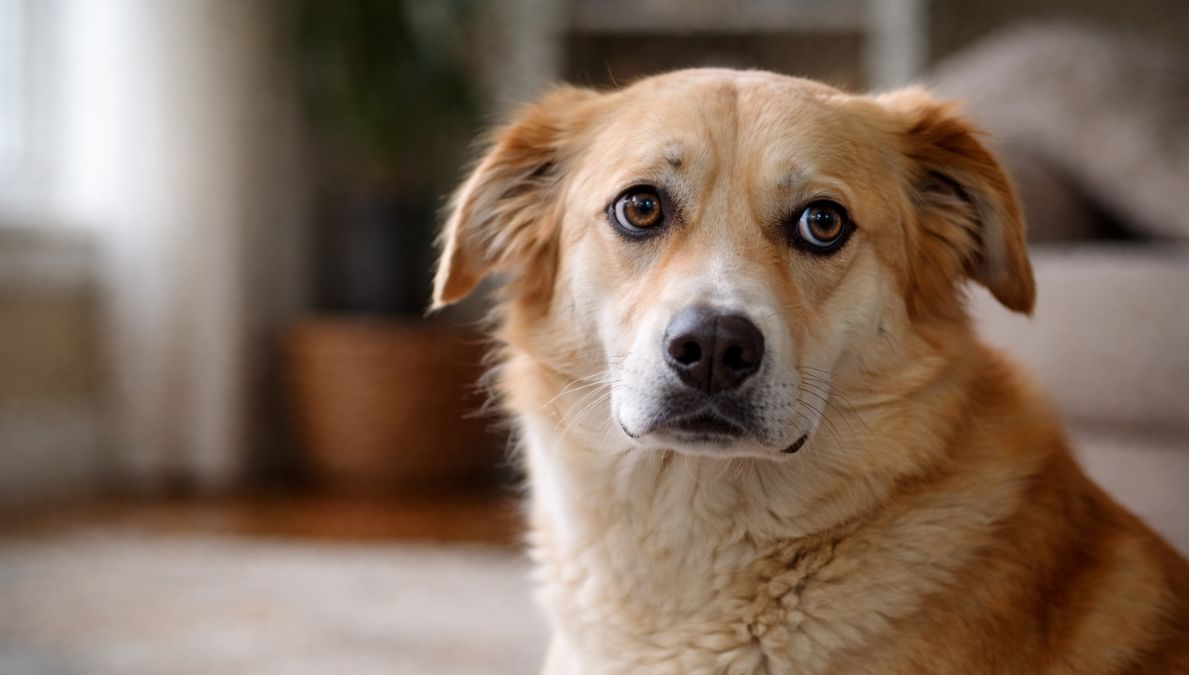
Behavior & Safety / 2025 Guide
The Silent Language: Why most bites are not “sudden”.
“Most dog bites involving children are not ‘out of nowhere.’ They are the end point of a long, quiet conversation that humans often miss.”
If your dog stiffens when a child approaches, looks away while showing the white of their eyes, or pants even though the room is cool, your dog is communicating discomfort. Understanding these signals early is one of the most effective ways to prevent fear-based reactions and keep both children and dogs safe.
As a dog owner, especially around children, you’re not just managing behavior. You’re managing stress. Children move differently, sound different, and ignore many of the social boundaries dogs rely on. When a dog feels trapped or overwhelmed, they don’t start with a bite. They start with subtle signals that say, “I’m not okay.”
Quick Checklist: 7 Silent Signs
- 1Whale Eye: Showing the white part of the eye (sclera).
- 2Freezing: Sudden stillness or rigid body posture.
- 3Excessive Panting: Fast breathing when not hot or tired.
- 4Lip Licking: Rapid tongue flicks (displacement behavior).
- 5Stress Yawning: Exaggerated yawns outside sleep context.
- 6Avoidance: Turning the head away or hiding.
- 7Raised Paw: Lifting a front foot as a sign of uncertainty.
Observe your dog: seeing 2 or more signs together indicates high stress.
👁️ Whale Eye
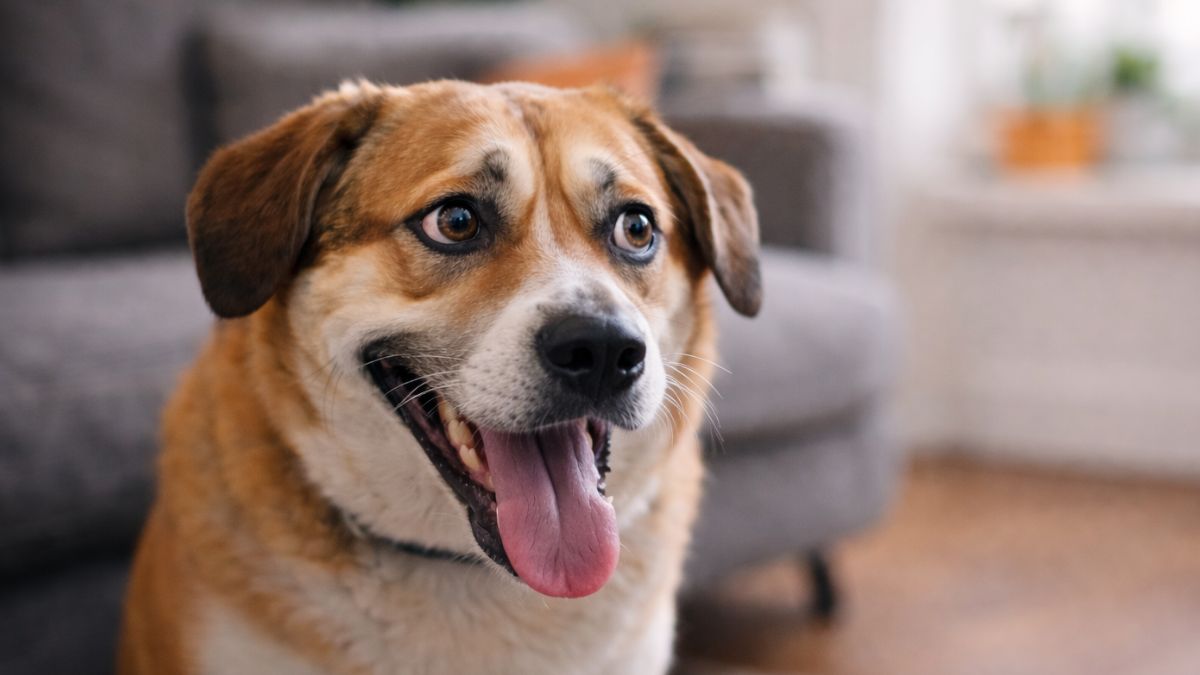
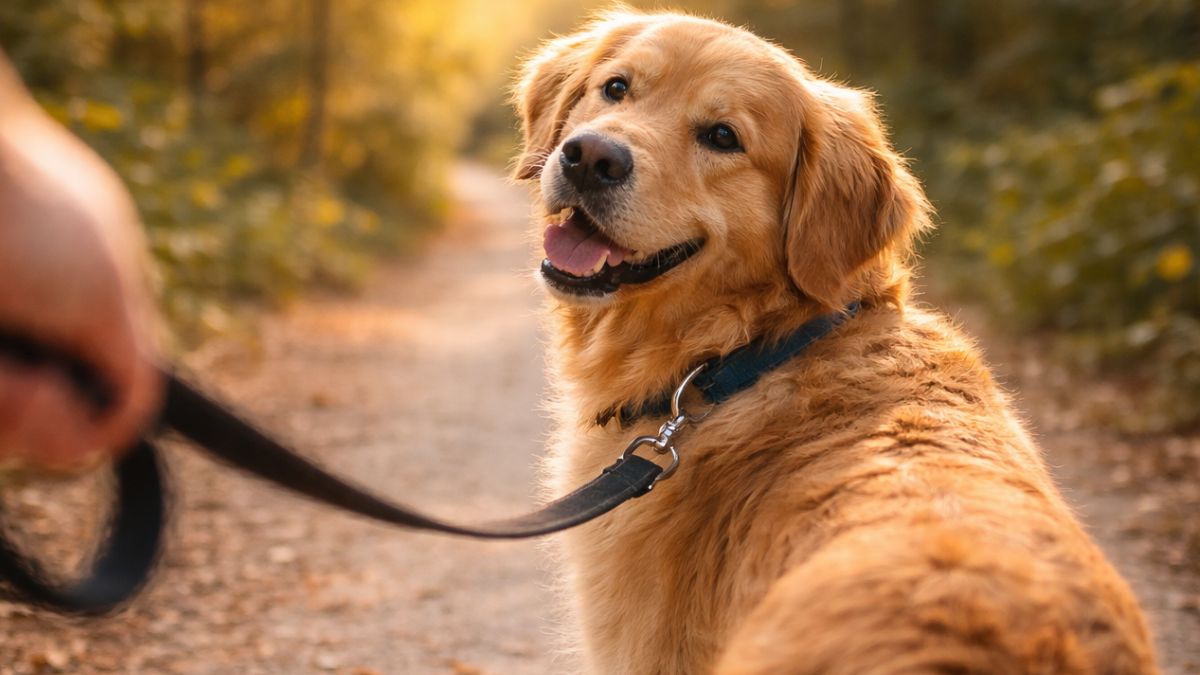
Visual Guide: The “Whale Eye” (whites of the eyes showing) and rigid posture are critical indicators of canine stress.
Whale eye happens when a dog turns their head away but keeps their eyes fixed on what’s worrying them, revealing the white sclera. Around children, this often appears when a child hugs, stares, or leans over the dog. This is not curiosity. It’s vigilance.
From a canine perspective, exposing the whites of the eyes is a stress response linked to threat monitoring. Ignoring whale eye teaches a dog that subtle communication doesn’t work.
🛑 The “Freeze”
A freeze is one of the most dangerous signals because it is quiet and easily misinterpreted. The dog stops moving. Muscles tense. Breathing becomes shallow. To a child, the dog looks calm. In reality, this is a high-alert moment.
In the “Ladder of Aggression,” freezing sits near the top. If a child continues touching a frozen dog, the next rung up is often a growl or a bite.
Lip Licking & Yawning (Displacement Behaviors)
Lip licking when a child approaches is a “displacement behavior”—the dog’s attempt to calm themselves and signal discomfort without confrontation. Similarly, stress yawns are slower and more exaggerated than sleepy yawns.
If yawning appears repeatedly in child-dog interactions, it’s a sign the dog is struggling to cope socially.
Why Children Trigger Stress (The Biological View)
To dogs, children are unpredictable beings with unfamiliar movement patterns. Sudden running, high-pitched sounds, and direct eye contact resemble threat behaviors in canine hierarchy.
The Cortisol Factor: On a physiological level, repeated exposure to unpredictable stimuli elevates cortisol. Short spikes are manageable, but prolonged elevation leads to reduced tolerance. After a stressful interaction, cortisol can remain elevated for 15/30 minutes.
⚠️ What Not to Do: The Growl Rule
Never punish a growl.
A growl is valuable information. It means the dog is still trying to communicate without biting. Punishment suppresses the signal, not the emotion behind it. If you punish the growl, the dog learns to bite without warning next time.
Practical Solutions That Work
- Create Safe Zones: Dogs need a crate or room where children are strictly forbidden.
- Respect the Retreat: If a dog walks away, under a table, or into a corner, do not let the child follow.
- Time Management: Avoid child-dog interactions when the dog is tired, hungry, or over-stimulated.
Trust grows when dogs feel heard. When you respond to early signals by creating space, your dog learns that communication works, reducing the need for louder signals like biting.
What These Signs Look Like in Real Life (Not in a Training Video)
Most people miss stress signals because they expect “big” warnings: barking, snapping, showing teeth. But dogs rarely jump straight to that level—especially around children, where the dog may feel conflicted: curious, social, and also overwhelmed. The result is a set of micro-moments that look harmless until you understand the pattern.
Here are three common scenes where the 7 silent signs show up. If you’ve ever thought “It happened so fast”, read these carefully—you’ll likely recognize your dog somewhere in them.
Scene #1: “He’s being so patient while my kid hugs him.”
Your child wraps arms around the dog’s neck. The dog’s body goes still. You might see a slow head turn, then whale eye—the whites flash as the dog watches the child from the corner of the eye. Sometimes there’s a quick lip lick. Many dogs don’t move because they’re “calm”—they don’t move because they’re trying not to escalate.
Scene #2: “He keeps panting around the kids, but it’s not hot.”
The room is cool, nobody has been running, and yet the dog is panting like they just climbed stairs. Stress panting often comes with a “tight face”: corners of the mouth pulled back, tongue flicking, frequent swallowing. This is your dog burning nervous energy. If the child keeps approaching, panting can shift into a freeze or an attempt to avoid—moving behind furniture, behind you, or into another room.
Is it more than just temporary stress?
If your dog shows extreme reactions to children, they might be dealing with underlying emotional scars.
Read our guide on identifying dog trauma signs
Scene #3: “He went under the table… he’s being stubborn.”
Avoidance is one of the clearest “I’m not okay” messages. Going under a table, behind the couch, or into a corner is your dog choosing distance. If a child follows, the dog can feel trapped—distance is removed, options shrink, and the risk of a defensive reaction rises. Treat avoidance as success: your dog communicated without conflict.
😮💨 Excessive Panting (When It’s Not Heat or Exercise)
Panting is normal after play or on warm days. But around children, panting can be stress-driven—especially when the dog hasn’t been active. Think of it as a pressure valve: the body trying to self-regulate when the brain is on high alert. Stress panting often appears with other subtle signs like lip licking, head turning, or a raised paw.
One reason panting gets ignored is that it doesn’t look “aggressive.” But it’s a physiological clue that your dog is working hard to cope. If panting shows up reliably when kids enter the room, it’s not random—it’s information.
Quick check:
- Cool room + no exercise but panting starts when children approach.
- Panting pairs with tense face (tight lips, corners pulled back).
- Panting stops when the dog gets distance or a quiet break.
If panting is heavy or sudden without a clear trigger, rule out medical causes with your vet—pain and stress can look similar.
↩️ Avoidance (Turning Away, Leaving, Hiding)
Avoidance is your dog choosing the safest option: distance. That can be subtle (head turn, body angle away) or obvious (walking out of the room, hiding behind you, going to the crate). Around children, avoidance is often a dog’s polite way of saying: “Please give me space.”
The danger isn’t avoidance—it’s what happens when humans override it. When a child follows a retreating dog, the dog learns that leaving doesn’t work. That’s how dogs get pushed up the ladder: from avoidance to freezing to growling to snapping.
A safer response:
If your dog moves away, support that choice. Call the child back. Reward the dog for retreating. You’re teaching your dog that calm communication works—and you’re lowering the need for stronger warnings.
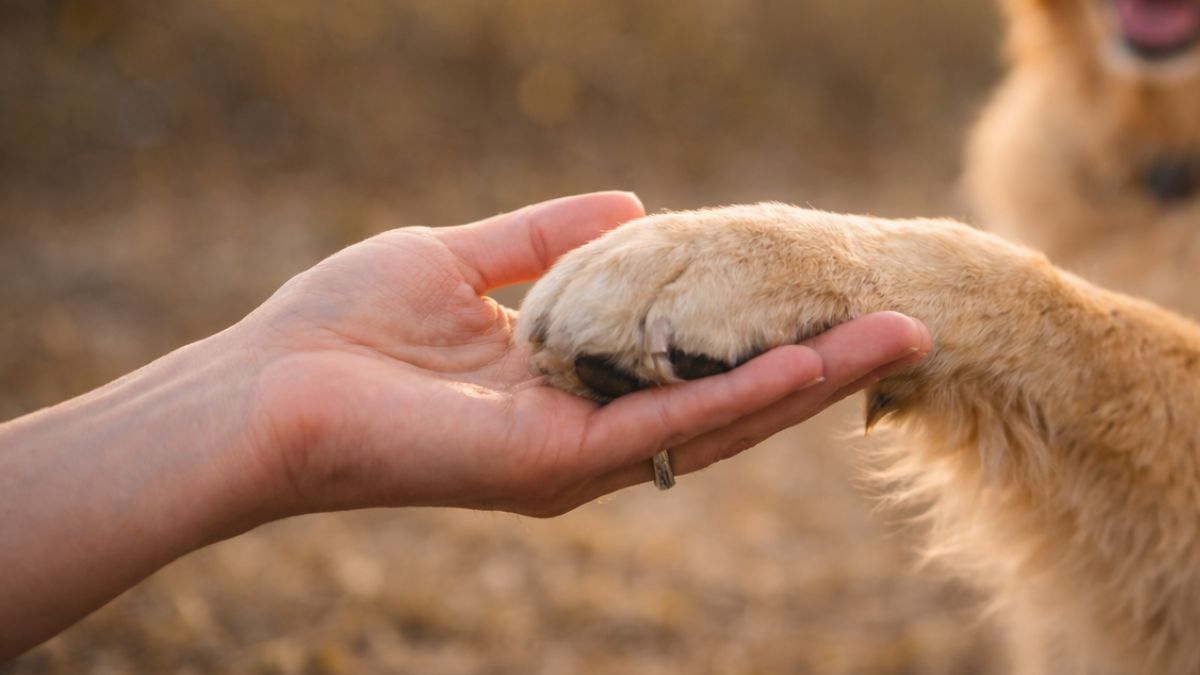
🐾 Raised Paw (Uncertainty, Conflict, “I Don’t Know What To Do”)
A raised front paw can look cute—like a photo pose. But in tense situations it often signals uncertainty and internal conflict. The dog may want to approach, but also wants distance. With children, raised paw can appear right before the dog disengages, freezes, or tries to move away.
Think of it like your dog pausing mid-sentence. If you see a raised paw paired with whale eye, lip licking, or freezing, treat it as a meaningful stress signal—not a quirky habit.
The “3 Rules” That Reduce Risk Immediately (Even If Training Isn’t Perfect Yet)
You don’t need a perfect dog or perfect children. You need a predictable system that prevents stress from piling up. These three rules are simple, realistic, and effective—because they reduce pressure in the exact moments where bites happen.
Rule 1: No hugs, no face-to-face
Many dogs tolerate hugs, but tolerance is not comfort. Teach children “side petting” on the shoulder or chest instead.
Rule 2: Dog chooses the interaction
If the dog approaches, great. If the dog leaves, interaction ends. No chasing, no following, no cornering.
Rule 3: Breaks are mandatory
Short, positive moments beat long “endurance sessions.” Give the dog quiet breaks before stress stacks up.
A Simple Training Plan: Teach Your Dog That Kids Predict Good Things (Not Pressure)
Safety management comes first (gates, safe zones, supervision). But long-term success comes from changing the emotional association: kids should predict calm rewards, not unpredictable contact. The goal is not to force closeness—it’s to build comfort at a distance your dog can handle.
The “Look → Treat → Reset” game (5 minutes)
- Child enters the room at a safe distance (no approaching the dog).
- When your dog looks at the child calmly, you drop a high-value treat near the dog.
- Dog turns away to eat (natural reset). Repeat slowly.
This builds a powerful pattern: “child appears → good things happen → I feel safer.” If your dog freezes or pants harder, increase distance immediately.
Pro-Tip: Use Cooling to Reduce Stress
Anxiety raises a dog’s body temperature. Providing a dedicated “cool-down” spot can help them self-regulate. Check out our top picks for the best cooling mats of 2025 to create a stress-free safe zone for your pup.
What progress looks like
- Less panting and fewer displacement behaviors during short exposures.
- Dog can look at the child and then look away without tension.
- Dog chooses to rest instead of “monitoring” every movement.
Progress is not “my dog lets my kid do anything.” Progress is: “my dog feels safe enough to be normal.”
When to Get Professional Help (Don’t Wait for a “Real” Incident)
If you’re seeing repeated freezing, hard staring, snapping air, or any history of growling around children, get support from a qualified professional. Early guidance is not overreacting—it’s responsible.
- Stress signals are increasing in frequency or intensity.
- Your dog guards space (couch/bed) when kids get close.
- Your dog seems “fine” and then suddenly explodes after repeated pressure.
Safety note: management (gates, separation, supervision) is not failure. It’s the foundation that prevents a bite while you rebuild trust.
Have you noticed these signs in your dog?
Share your experience or send this guide to a fellow dog parent. Awareness is the best prevention.