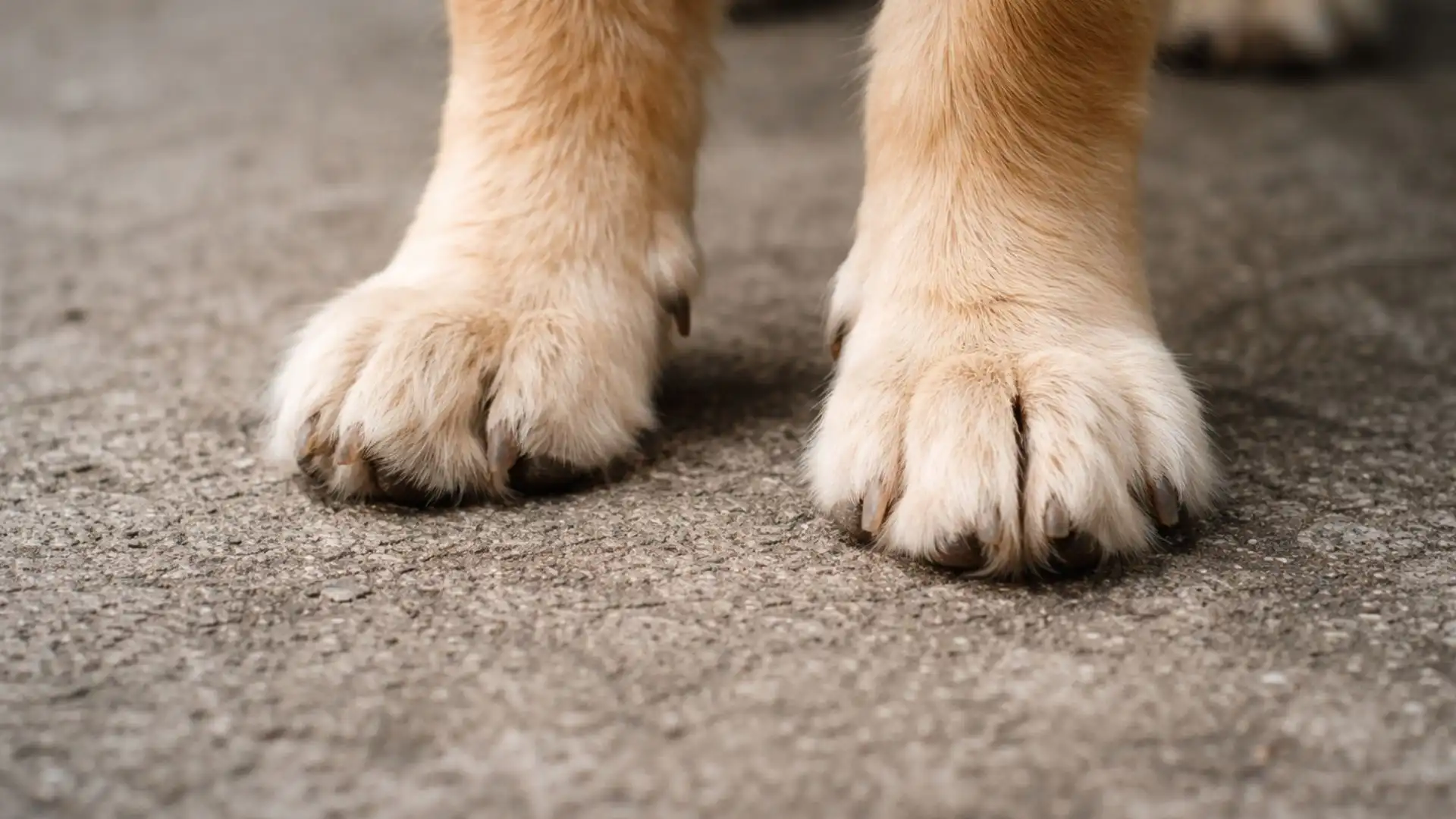
She was ten years old. Gray muzzle. A little overweight. Sitting quietly in the back of the kennel while puppies yelped and jumped in the runs around her.
The shelter volunteer didn’t even show her to me. “Everyone wants the puppies,” she said apologetically. “The seniors just… wait.”
I asked to meet her anyway.
Within five minutes, that old dog put her head on my lap, let out the deepest sigh I’ve ever heard, and looked at me like she’d been waiting her whole life for this moment.
I took her home that day. Her name was Maggie. She lived three more years, and they were the most peaceful, loving, grateful years I’ve ever spent with a dog.
If you’re on the fence about adopting an older dog, this is for you. Because what I’m about to tell you might change your mind—and possibly your life.
🎯 Quick Answer (TL;DR)
Should you adopt an older dog? Yes—if you want a calmer, already-trained companion who knows what love means. Senior dogs (7+ years) are often house-trained, past destructive puppy phases, and deeply grateful for a second chance. The main challenges are potential health costs and shorter time together, but many adopters say the bond with a senior dog is unlike anything they’ve experienced. Older dogs deserve love, and they give it back tenfold.
Table of Contents
- What Counts as a “Senior Dog”?
- 7 Honest Reasons to Adopt an Older Dog
- The Challenges Nobody Talks About (And How to Handle Them)
- How to Prepare Your Home for a Senior Dog
- Real Stories: Senior Dog Adopters Share Their Experience
- Senior Dog vs. Puppy: The Honest Comparison
- FAQ: Everything You Need to Know
What Counts as a “Senior Dog”?
Before we dive in, let’s clarify what “senior” actually means—because it varies by breed.
Age Guidelines:
| Dog Size | Senior Age | Life Expectancy |
|---|---|---|
| Small breeds (under 20 lbs) | 10-11 years | 12-16 years |
| Medium breeds (20-50 lbs) | 8-9 years | 10-13 years |
| Large breeds (50-90 lbs) | 6-7 years | 8-12 years |
| Giant breeds (90+ lbs) | 5-6 years | 7-10 years |
Important: A 7-year-old Great Dane is a senior. A 7-year-old Chihuahua is middle-aged. Don’t let the label “senior” scare you—many older dogs have years of love left to give.
“I see so many people pass over an 8-year-old Lab thinking it’s ‘too old,’ when that dog likely has 4-6 wonderful years ahead. That’s 4-6 years of companionship they’re missing out on.” — Dr. Jennifer Coates, DVM
7 Honest Reasons to Adopt an Older Dog
Let me be real with you: adopting an older dog isn’t for everyone. But if these reasons resonate with you, it might be exactly what you need.
1. 🏠 They’re (Usually) Already House-Trained
The reality: Most older dogs in shelters came from homes. They know what a house is. They know where to go to the bathroom. They understand the concept of “inside” and “outside.”
What this means for you:
- No 3 AM potty breaks
- No cleaning pee off your carpet every morning
- No months of constant vigilance
Are there exceptions? Sure. Some senior dogs need a refresher, especially if they’ve been in a kennel for months. But the vast majority? They already know the drill.
Real talk: I didn’t clean up a single accident with Maggie. Not one. She walked to the door, sat, and waited. That alone was worth everything.
2. 😌 The Calm Energy You’ve Been Craving
Puppies are chaos. Adorable, lovable chaos—but chaos nonetheless.
Older dogs? They’ve lived life. They’ve chewed all the shoes they needed to chew. They’ve learned that the world doesn’t require constant barking.
What you get instead:
- A dog who can chill on the couch while you work
- A companion who enjoys a leisurely walk, not a sprint
- An animal who doesn’t need 24/7 entertainment
“Senior dogs have an emotional maturity that puppies simply can’t offer. They’re content to just be with you, and that’s a profoundly different experience.” — Lisa Monroe, Certified Dog Behaviorist
When Calm Energy Shines:
✅ You work from home – They’ll sleep at your feet, not destroy your office ✅ You have young kids – Less jumping, nipping, and hyperactivity ✅ You want a companion, not a project – They’re ready to love you, today ✅ You’re older yourself – Matching energy levels = better fit
3. 💛 The Gratitude Factor (It’s Real)
This is going to sound sentimental, but I swear it’s true: Senior dogs know they’ve been given a second chance.
I can’t explain it scientifically. But every single person I’ve talked to who adopted an older dog says the same thing:
“It’s like they know. They’re just… grateful.”
How it shows up:
- The way they lean against you
- The deep sighs of contentment when they settle in
- The way they follow you room to room, not out of anxiety, but presence
- The look in their eyes that says, “Thank you for not giving up on me”
🐾 Real Story: The Dog Who Finally Relaxed
“I adopted a 9-year-old Beagle named Rusty. The foster said he’d been in three homes in two years—people kept returning him because he ‘wasn’t what they expected.’ Within a week at my house, Rusty stopped pacing. He stopped looking at the door like he was waiting to be sent away. He curled up in his bed, let out this massive sigh, and slept for 6 hours straight. My friend who was visiting said, ‘I think he finally feels safe.’ I ugly cried.” — Sarah K., Denver
4. 🎓 They Already Know the Basics (And Then Some)
Most older dogs have lived with families. They’ve learned:
✅ Basic commands: Sit, stay, come ✅ Leash manners: How to walk without pulling ✅ Social skills: How to interact with people and other dogs ✅ House rules: Don’t jump on counters, don’t destroy furniture
What this saves you:
- Hundreds of dollars on training classes
- Months of repetition and frustration
- The puppy-proofing nightmare
Important note: Some older dogs come from bad situations and may need training or behavior modification. But even then, they learn faster than puppies because their brains are fully developed.
5. ⏰ You Know What You’re Getting
Puppies are mystery boxes. You don’t know:
- How big they’ll get
- What their temperament will be like as adults
- If they’ll develop behavioral issues
- How much energy they’ll have long-term
Older dogs? What you see is what you get.
At the shelter/rescue, you can observe:
- Their actual size
- Their real personality
- How they interact with people and dogs
- Their energy level
- Any special needs
“Adopting a senior dog is like dating someone who already knows themselves. There are no surprises. They know who they are, and they’re just looking for someone who appreciates them as-is.” — Dr. Alexandra Horowitz, Canine Cognition Researcher
6. 🚪 They’re Easier to Integrate Into Your Life
Puppies demand schedule overhaul. Your entire life revolves around:
- Feeding every 4 hours
- Potty breaks every 2 hours
- Constant supervision
- Training sessions
- Socialization outings
Older dogs adapt to YOUR schedule.
You work 9-5? They’ll sleep while you’re gone. You like quiet mornings? They’ll chill with you. You travel occasionally? Many can handle boarding better than anxious puppies.
Pro tip: If you’ve been hesitating to get a dog because your lifestyle feels “too busy,” an older dog might be the perfect fit. They don’t need your entire life—they just need a place in it.
7. ❤️ You’re Literally Saving a Life
Let me be blunt: Senior dogs are the least likely to be adopted and the most likely to be euthanized in shelters.
According to the ASPCA:
- Puppies have a 95% adoption rate
- Adult dogs (1-6 years) have a 60% adoption rate
- Senior dogs (7+) have less than a 25% adoption rate
When you adopt an older dog, you’re not just getting a pet. You’re giving a deserving animal their final chapter—and making it the best one they’ve ever had.
The Challenges Nobody Talks About (And How to Handle Them)
Okay, real talk time. Adopting an older dog isn’t all sunshine and gratitude. There are legitimate challenges, and you deserve to know them upfront.
⚕️ Challenge #1: Potential Health Issues
The reality: Older dogs are more prone to:
- Arthritis and joint pain
- Dental disease
- Vision/hearing loss
- Organ issues (kidney, liver, heart)
- Cancer
The cost: Senior dogs often need:
- More frequent vet visits
- Medications
- Specialized diets
- Potential emergency care
How to handle it:
- Get pet insurance IMMEDIATELY (before pre-existing conditions are documented)
- Ask the shelter/rescue about known health issues upfront
- Budget for vet care – plan for $100-300/month in senior years
- Find a vet experienced with senior dogs
- Consider a senior dog wellness plan (many vets offer monthly payment options)
💰 Real Cost Breakdown
My 10-year-old senior dog’s yearly costs:
- • Vet visits: $600/year
- • Arthritis medication: $40/month = $480/year
- • Dental cleaning: $400 (every 2 years)
- • Senior-specific food: $60/month = $720/year
- Total: ~$2,200/year (This is manageable for me, but be honest about your budget.)
💔 Challenge #2: Less Time Together
The reality: This is the hardest part. You might only have 2-5 years with a senior dog, compared to 10-15 years with a puppy.
How people cope:
“I adopted my senior dog knowing I’d probably have 3-4 years max. I decided I’d rather give him the best 3 years of his life than let him die in a shelter. Was it hard when he passed? Absolutely devastating. Would I do it again? In a heartbeat.” — Michael T., Portland
The mindset shift:
- Focus on quality over quantity
- Every day is a gift, not a countdown
- The love you give is never wasted
- You’re making their final years matter
Grief support resources:
- Many shelters offer post-adoption grief counseling
- Online communities for senior dog adopters
- Pet loss support hotlines: ASPCA Pet Loss Hotline
🐕 Challenge #3: Behavioral Baggage
The reality: Some older dogs come from:
- Abusive homes
- Neglectful situations
- Multiple failed adoptions
- Long shelter stays
Possible issues:
- Anxiety or fearfulness
- Resource guarding
- Dog or human reactivity
- Separation anxiety
How to handle it:
✅ Work with the rescue/foster – They should disclose known issues ✅ Hire a professional trainer if needed (still cheaper than puppy training) ✅ Be patient – Trust takes time, especially for traumatized dogs ✅ Consider a foster-to-adopt arrangement to test compatibility
⚠️ Important: Not Every Senior Dog Has Issues
Many older dogs end up in shelters through NO fault of their own: owner passed away, divorce, moved to a no-pets apartment, couldn’t afford vet bills. These dogs are perfectly well-adjusted—they just need a new home. Don’t assume every senior dog is “damaged.”
😢 Challenge #4: Saying Goodbye Sooner
The reality: You will likely face end-of-life decisions sooner with a senior dog.
What helps:
- Having a trusted vet you can talk to openly
- Knowing about quality-of-life assessments (use this tool)
- Planning financially for end-of-life care (euthanasia, cremation, etc.)
- Allowing yourself to grieve fully
The perspective that helps:
“My senior dog taught me that love isn’t measured in years. It’s measured in moments. And we had thousands of beautiful moments.” — Rebecca L., Austin
How to Prepare Your Home for a Senior Dog
Older dogs have different needs than puppies. Here’s how to set them up for success:
🛏️ Comfort Essentials
Orthopedic dog bed – Crucial for arthritic joints Non-slip rugs or mats – Prevent falls on hardwood/tile Raised food/water bowls – Easier on neck and joints Ramps or steps – For getting on furniture or into cars (if allowed) Heated bed (optional) – Older dogs feel the cold more
🏠 Home Modifications
✅ Block off stairs if the dog has mobility issues ✅ Night lights for dogs with vision loss ✅ Baby gates to limit access to dangerous areas ✅ Soft surfaces in favorite napping spots
📋 Health Prep
✅ Schedule a vet visit within first week – Get a baseline health check ✅ Ask the shelter for medical records ✅ Set up a medication schedule if needed ✅ Find an emergency vet near you
Real Stories: Senior Dog Adopters Share Their Experience
🐾 Story #1: “The Dog Who Taught Me About Slowing Down”
“I’m a runner. I wanted a dog to run with me. But when I met Pepper, a 9-year-old Shepherd mix with a graying face and soulful eyes, something shifted. I adopted her anyway. She couldn’t run. But she taught me to appreciate slow walks, where you actually notice the trees and the sky. She taught me that companionship isn’t about activity—it’s about presence. She passed away two years later. I’m training for a marathon now, but I still take one slow walk every week, in her honor.” — Kevin S., Seattle
🐾 Story #2: “The Best Quarantine Decision I Ever Made”
“I adopted a 10-year-old Corgi mix during COVID lockdown. Everyone said I was crazy—‘You’re going to be stuck with an old dog.’ But Charlie saved my sanity. He didn’t need long walks or constant entertainment. He just wanted to be next to me while I worked from home. He’d sigh contentedly and fall asleep at my feet. That steady, calm presence got me through the hardest year of my life. He lived to 13. I now volunteer at a senior dog rescue in his memory.” — Amanda J., Chicago
🐾 Story #3: “The Dog My Kids Will Never Forget”
“We have three young kids (ages 4, 6, 8). Everyone said, ‘Get a puppy! Kids love puppies!’ But we adopted Max, an 8-year-old Lab who’d been surrendered when his owner went into hospice care. Max was PERFECT with the kids. He was gentle, patient, never jumped or nipped. He’d lay there while they used him as a pillow. He taught my kids about compassion, about loving someone who’s different, about making every day count. When Max passed at 11, we had a family memorial. My 6-year-old said, ‘I’m glad we gave Max a happy ending.’ I’ll never regret that choice.” — The Torres Family, San Diego
Senior Dog vs. Puppy: The Honest Comparison
Still on the fence? Let’s break it down side by side:
| Factor | Senior Dog (7+ years) | Puppy (8 weeks - 1 year) |
|---|---|---|
| House-training | ✅ Usually done | ❌ Months of accidents |
| Energy level | 😌 Calm, manageable | 🔥 Chaos, constant supervision |
| Training | ✅ Often knows basics | ❌ Start from scratch |
| Destruction | ✅ Past that phase | ❌ Chewed shoes, furniture |
| Vet costs (first year) | 💰 Potentially higher | 💰 Moderate (vaccines, neuter) |
| Time commitment | ⏰ Moderate | ⏰⏰⏰ Extreme |
| Predictability | ✅ What you see is what you get | ❓ Mystery (size, temperament) |
| Years together | 2-7 years | 10-15 years |
| Adoption difficulty | ✅ Easy to find, low demand | ❌ Competitive, high demand |
| Best for | Working adults, seniors, families, calm households | Families with time, energy, and flexibility |
Bottom line: If you value peace, predictability, and a deep bond over years together, a senior dog wins.
FAQ: Everything You Need to Know
Is it worth adopting an older dog?
Absolutely—if you’re prepared for the unique challenges and rewards. Senior dogs offer unmatched companionship, gratitude, and calm energy. The shorter time together is offset by the depth of the bond. Many adopters say their senior dog was the most meaningful relationship they’ve had with an animal.
What age dog is best to adopt?
It depends on your lifestyle:
- Puppy (8 weeks - 6 months): If you have time, energy, and want 10-15 years together
- Young adult (1-3 years): If you want energy but less chaos
- Adult (4-6 years): The “sweet spot”—trained, but still lots of years left
- Senior (7+ years): If you want calm, gratitude, and a deep bond
There’s no universal “best” age—only the best age for YOU.
Are senior dogs harder to train?
No—they’re often EASIER. Older dogs have longer attention spans and learn faster than puppies. The myth that “you can’t teach an old dog new tricks” is scientifically false. Senior dogs are absolutely trainable; they just might need gentler methods due to physical limitations.
How long will my senior dog live?
It varies widely by breed, size, and health:
- Small breeds adopted at 8-10 years might live 4-6+ more years
- Large breeds adopted at 6-8 years might live 2-5 more years
- Health issues can shorten or extend that timeline
Ask the shelter/vet for a realistic assessment. Some “senior” dogs live much longer than expected with good care.
Will my senior dog bond with me?
Yes—often more deeply than puppies. Older dogs understand what it means to lose a home and gain a new one. Many form incredibly strong attachments to their adopters. The bond might take a few weeks to build (vs. instant puppy love), but it’s profound.
Should I adopt a senior dog if I have kids?
It depends on the dog, not the age. Many senior dogs are EXCELLENT with kids—calmer, less jumpy, more patient. However, some older dogs have never lived with children and may not adjust well. Always ask the shelter/rescue about the dog’s history with kids and consider a trial period.
What if my senior dog has health problems I can’t afford?
Options:
- Pet insurance – Get it BEFORE issues are diagnosed
- CareCredit – Healthcare financing for vet bills
- Rescue support – Some rescues offer financial assistance for adopted seniors
- Crowdfunding – GoFundMe, social media fundraising
- Sliding scale vets – Search for low-cost clinics in your area
- Honest conversation with your vet – They may offer payment plans
Important: If you genuinely cannot afford senior dog care, consider fostering instead. You provide the love, the rescue covers medical costs.
Can I adopt a senior dog if I work full-time?
Yes! Senior dogs are often BETTER for working people than puppies. They can hold their bladder longer, don’t need constant supervision, and are content to sleep while you’re gone. Just make sure to:
- Provide a potty break (dog walker or midday visit if needed)
- Give quality time when you’re home
- Keep them mentally stimulated with puzzle toys
What’s the best way to find a senior dog to adopt?
Where to look:
- Local animal shelters – Always have senior dogs waiting
- Breed-specific rescues – Often have older purebreds
- Senior dog-specific rescues – Organizations dedicated to older dogs
- Petfinder.com – Filter by age
- Social media – Many rescues post urgent senior dogs
Pro tip: Call ahead and ask if they have senior dogs available. Many shelters will introduce you to overlooked older dogs who’ve been there for months.
The Bottom Line: Why I’ll Always Adopt Senior Dogs
Here’s what I know after adopting Maggie, my first senior dog:
She didn’t need me to teach her how to be a dog. She already knew. She just needed someone to love her exactly as she was—gray muzzle, slow walks, arthritic hips, and all.
And in return, she taught me more about unconditional love, presence, and gratitude than any puppy ever could have.
Did I cry when she passed? Absolutely. For weeks. But I have never, not for one second, regretted giving her those three years.
Because adopting an older dog isn’t about how much time you get. It’s about making the time you have matter. And that? That’s everything. 🐾
Ready to Meet Your Senior Soulmate?
If this article resonated with you, you’re ready.
Next steps:
- Visit your local shelter and ask to meet senior dogs
- Follow senior dog rescues on social media
- Read about helping your new dog adjust to your home (applies to senior adoptions too!)
- Learn the signs your dog has chosen you to recognize when you’ve found “the one”
- Prepare your home using our dog-proofing guide
And when you meet that older dog who looks at you with hopeful, tired eyes…
Take the chance.
Give them the ending they deserve.
I promise you won’t regret it. ❤️🐕
🐾 Every Senior Dog Deserves a Loving Home 🐾
Share this article to help more senior dogs find their forever families.
Related Articles:
- 7 Signs Your Dog Chose You
- Should You Adopt a Dog? Pros & Cons
- Dog Trauma Signs: How to Recognize and Help
- Coping With the Loss of a Dog
- Does My Dog Love Me? Signs to Look For
Disclaimer: This article is for informational purposes only and does not replace professional veterinary advice. Always consult your veterinarian about your senior dog’s specific health needs and care requirements.
Written by Alex | January 1, 2026 | DogCityGuide.com