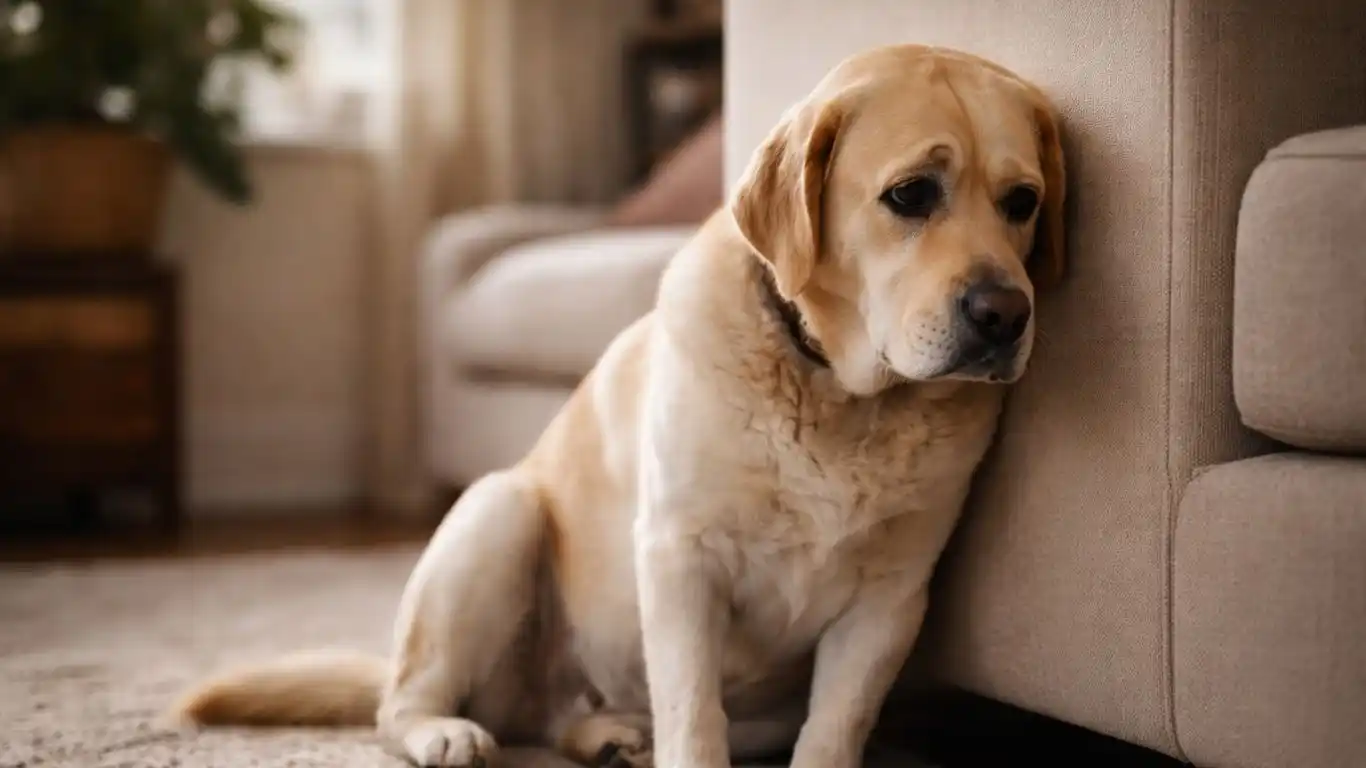
Here’s the reassuring truth: dogs possess a remarkable ability to distinguish between an accident and an intentional act. Understanding how to communicate after these inevitable mishaps can actually strengthen your bond rather than damage it.
What to Do and Say: The Step-by-Step Guide
If you’ve just accidentally bumped, stepped on, or hurt your dog in any way, follow these proven steps to communicate your intentions effectively and restore trust immediately.
Stay Calm: Your Body Speaks First
Dogs read your body language before they process your words. When you display genuine shock or concern rather than aggression, your dog immediately understands there’s no threat. Your sudden wide eyes, raised eyebrows, and open posture signal that this was unintentional. Research shows that dogs can differentiate between human emotional states in milliseconds, making your initial reaction crucial.
Check for Physical Signs Immediately
Observe whether your dog limps, shakes their head, or displays a “shocked” expression. This assessment helps you understand the impact’s severity. Look for signs like yelping that continues beyond the initial moment, favoring a limb, or withdrawal behavior. Most accidental bumps result in momentary discomfort, but it’s essential to rule out anything more serious that might require veterinary attention.
Use the “Sorry Tone”: Pitch Matters
Immediately exclaim with a gentle, high-pitched “Oh, I’m so sorry!” Dogs associate higher-pitched, soft tones with submission and care. This vocalization pattern mimics the appeasement signals dogs use with each other. Your dog understands you’re attempting to make amends, even without comprehending the literal words. The emotional content of your voice carries far more weight than vocabulary.
Offer Physical Reassurance
A gentle pet or kiss calms your dog’s nervous system and reestablishes social security. Physical touch releases oxytocin in both you and your dog, the bonding hormone that reinforces your relationship. Stroke them in their favorite spots, use slow movements, and maintain a soft, reassuring presence. This tactile communication often speaks louder than any verbal apology.
Respect Their Space If They Walk Away
If your dog moves to another bed or appears grumpy, let them be. This isn’t necessarily fear or resentment—it might simply be annoyance at having their relaxation interrupted. Dogs, like humans, sometimes need a moment to process unexpected experiences. Give them the autonomy to return to you on their terms, which demonstrates respect and builds trust.
The “Peace Treaty” Treat
A treat helps distract your dog from momentary discomfort and associates the incident with a positive conclusion. This isn’t bribery—it’s strategic emotional redirection. The treat signals that the negative experience has ended and something good has replaced it. Choose a favorite snack and present it calmly, reinforcing that the situation has resolved positively.
The Science of Intention: How Dogs Read Our Mistakes
Dogs are remarkably skilled at distinguishing intentional actions from accidental ones. This ability stems from thousands of years of coevolution with humans, during which dogs developed an almost supernatural capacity to read human behavior and intentions.
When you apologize immediately, your body sends pacification signals that are the exact opposite of aggressive body language. This explains why many dogs respond to an accidental bump by licking their owner—they’re confirming that the bond remains solid and unbroken.
Research on human-canine communication demonstrates that dogs process both the meaning of words and the emotional tone separately, using different hemispheres of their brain. This sophisticated processing means they’re not just reacting to sounds—they’re genuinely interpreting your intent through multiple channels of communication.
Body Language Dogs Recognize as Accidental
- ✓Sudden startled movements
- ✓Wide eyes showing surprise
- ✓Immediate soft vocalizations
- ✓Open, non-threatening posture
- ✓Reaching out to comfort
Body Language Dogs Read as Intentional
- ✗Deliberate, controlled movements
- ✗Direct, hard staring
- ✗Harsh vocal tones
- ✗Tense, squared-up stance
- ✗Absence of immediate concern
Studies in canine cognition demonstrate that dogs process human emotional expressions using similar brain regions to those humans use. The literature on human-dog communication shows that dogs don’t just react to words alone—they integrate voice, posture, and social cues to evaluate human intentions. They’re essentially reading micro-expressions, tone variations, and postural changes to build a complete picture of your intentions. This sophisticated understanding means your dog knows—almost certainly—that you didn’t mean to hurt them.
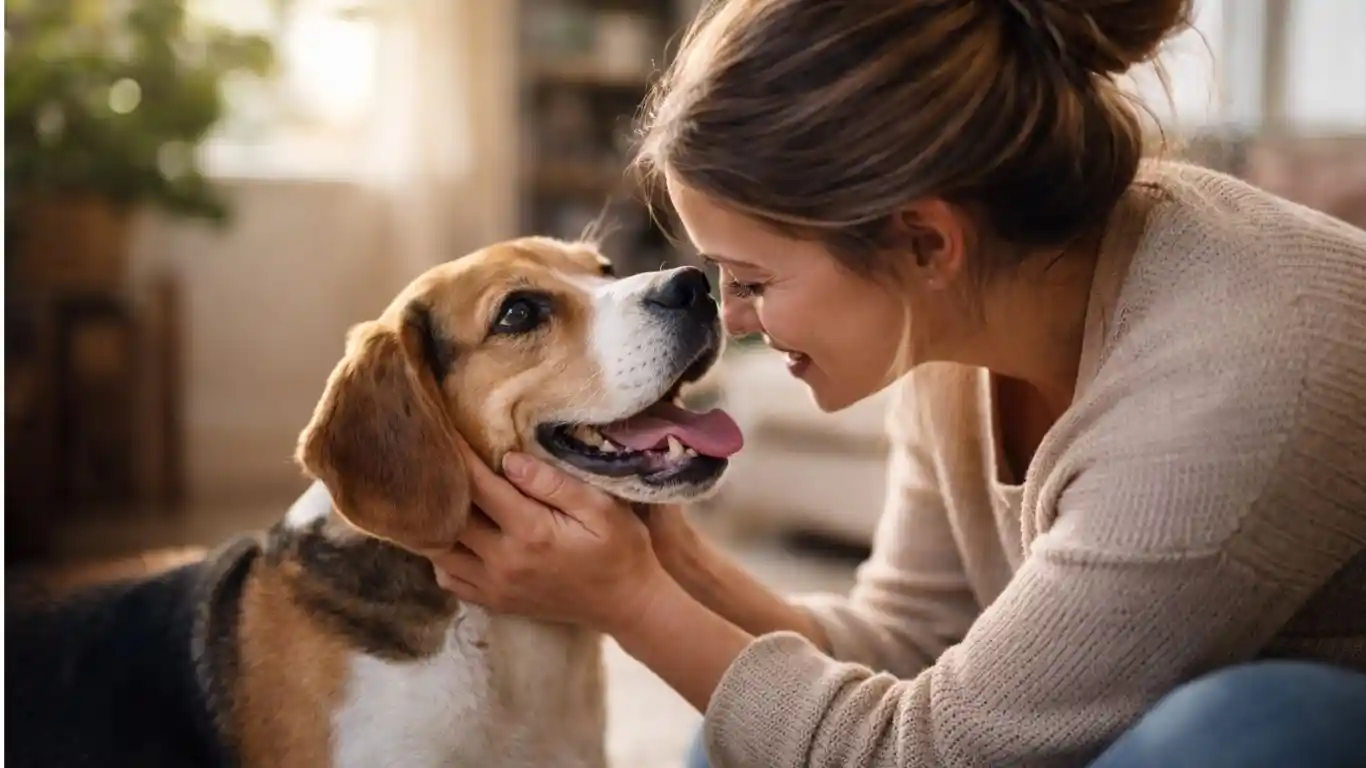
Dogs don’t understand the word “sorry,” but they clearly read tone of voice and emotional intent.
FAQ: The Answers Google and Discover Love
If I Apologize to My Dog, Does He Understand?
Yes, but not in the literal sense of understanding words. Dogs comprehend the tone of voice and emotion behind your apology rather than the actual vocabulary. A gentle voice tone coupled with non-threatening body language effectively communicates to your dog that the event was a mistake and that you remain a safe source of protection and care.
Think of it this way: your dog doesn’t need to understand English to understand emotion. When you drop your voice to that soft, apologetic register and your face shows genuine remorse, your dog receives a clear message that transcends language barriers. This emotional literacy is one of the reasons dogs integrate so seamlessly into human families.
Why Does My Dog Walk Away When I Accidentally Bump Into Him?
This behavior often isn’t a sign of fear or resentment—it’s simply annoyance or being “grumpy.” Your dog might need a moment to reset their senses after the sudden surprise. Consider how you might react if someone accidentally jostled you while you were deeply relaxed: you’d probably need a second to reorient yourself too.
Dogs walking away demonstrates healthy boundary-setting. They’re communicating “I need space” without escalating to aggression. This is actually a positive sign of emotional regulation. Most dogs return within minutes, often seeking affection once they’ve processed the surprise. If your dog consistently avoids you for extended periods after accidents, it might indicate an underlying anxiety issue worth discussing with a veterinarian or behaviorist.
How Long Do Dogs Remember Being Accidentally Hurt?
Dogs typically don’t hold grudges over accidents. Their memory of the specific incident fades quickly—usually within minutes to hours—though they do retain emotional associations. If you respond appropriately with immediate reassurance, the incident becomes a neutral memory rather than a traumatic one.
The key distinction is between episodic memory (remembering specific events) and emotional memory (associating feelings with situations). Dogs excel at the latter. If accidents are rare and you consistently respond with care, your dog learns that occasional bumps are followed by comfort and treats, turning potential negatives into trust-building experiences.
Can Repeated Accidents Damage My Relationship With My Dog?
Frequent accidents might create cautiousness around you, but true damage requires a pattern of your dog not receiving proper reassurance afterward. If you consistently apologize and comfort your dog, even multiple accidents won’t erode trust. However, if accidents happen regularly, consider environmental changes to prevent them.
Create safer spaces by establishing clear pathways where your dog won’t be underfoot, training your dog to use a mat or bed when you’re moving around the kitchen, or installing better lighting in areas where you frequently interact. Prevention combined with compassionate responses maintains strong bonds even in clumsy households.
Do Dogs Forgive Quickly After Accidents?
Dogs generally forgive accidents almost immediately, especially when their owners respond with appropriate care and concern. Unlike humans who might ruminate on negative experiences, dogs live primarily in the present moment. Their forgiveness isn’t a conscious decision—it’s a natural response to your reassuring behavior.
This remarkable capacity for forgiveness stems from the evolutionary partnership between dogs and humans. Dogs who could quickly recover from accidental harm and maintain cooperative relationships with humans were more successful, leading to the forgiving temperament we see in modern dogs. Your immediate, caring response after an accident activates this evolutionary programming.
The Long-Term Benefits of Proper Apologies
Handling accidents properly doesn’t just repair momentary rifts—it actively strengthens your relationship. When your dog learns that mistakes are followed by care and reassurance, they develop deeper trust in your reliability as their guardian. This creates what behaviorists call “secure attachment,” where your dog feels confident that even when bad things happen, you’ll make it right.
Dogs who experience consistent, caring responses to accidents show higher overall confidence, less anxiety in new situations, and stronger problem-solving abilities. They learn that mistakes are temporary and solvable, which translates to resilience in other areas of life.
Moreover, the ritual of apologizing and making amends teaches you to be more present and mindful around your dog. You become more aware of where they are, how they move, and what they need from you. This heightened awareness prevents future accidents while deepening your emotional connection.
The process of navigating accidents together also builds what researchers call “relational repair” skills. Each time you successfully restore harmony after a mishap, both you and your dog become better at communicating and resolving minor conflicts. This skill transfers to other aspects of your relationship, making you both more resilient partners.
My Personal Journey: When Guilt Became Growth
Let me share something deeply personal. About a week ago, I experienced every dog owner’s nightmare scenario. I was working at my desk, completely absorbed in an article I was writing, when I decided to adjust my chair. In that split second, I didn’t realize my dog had quietly positioned himself right behind me, enjoying the warmth from the heating vent near my workspace.
The yelp was immediate and heart-wrenching. I’d rolled my office chair directly onto his paw. Time seemed to freeze as I leaped up, my heart pounding with panic and guilt. He limped away, giving me this look that I can only describe as confused hurt. Not angry—just bewildered that his safe person had caused him pain.
The next week was an emotional rollercoaster. Every time I sat at my desk, I checked three times to make sure he wasn’t behind me. I found myself apologizing repeatedly, offering treats at random moments, feeling this crushing weight of guilt that wouldn’t lift. I kept replaying the moment, wondering how I could have been so careless with the creature who trusts me completely.
But something remarkable happened during that guilt-ridden week. My dog didn’t hold onto the incident the way I did. Within hours, he was back at my side. By the next day, he was sleeping in his favorite spot near my desk again. He’d forgiven me before I’d forgiven myself.
That week of heightened awareness and guilt actually transformed our relationship. I became hyperconscious of his presence in ways I’d never been before. I started announcing when I was going to move my chair. I established a new routine of checking his location before standing up. I created a small bed slightly away from the danger zone, which he now loves.
More importantly, I learned to forgive myself the way he forgave me—quickly and completely. The accident made me a more mindful, attentive dog owner. Our bond didn’t weaken; it deepened. He learned that even when I make mistakes, I’ll always prioritize his comfort and safety. I learned that his trust in me is more resilient than I ever imagined.
The most profound lesson came from observing his behavior in the days following the incident. He didn’t become fearful of my chair or avoid my workspace. Instead, he continued his normal routine with one small adjustment: he started positioning himself slightly to the side rather than directly behind me. He’d adapted without losing trust, teaching me that resilience doesn’t mean forgetting—it means learning and moving forward.
Now, when I see him sprawled near my desk, I don’t feel guilt—I feel gratitude. Gratitude for his forgiveness, for the lesson in mindfulness, and for the reminder that love means learning from our mistakes rather than being paralyzed by them. That painful moment became a turning point that brought us closer together than we’d ever been before. We both grew from it, and our relationship is stronger because we navigated that difficult experience together.