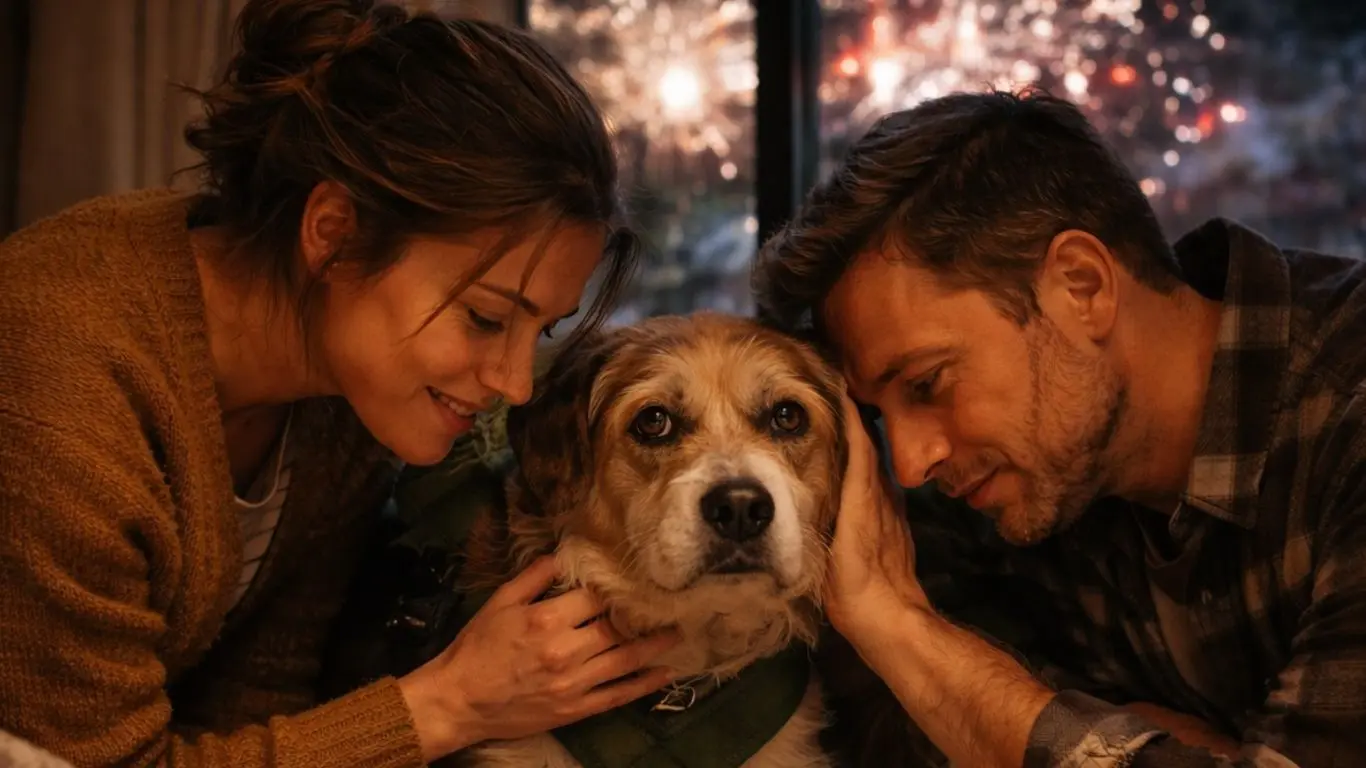
Hey, I’m Alex, and I’ll be honest with you: I hate that my dog has to go through this every New Year’s Eve. The fireworks, the noise, the anxiety—it’s heartbreaking to watch. But over the years, I’ve learned what actually helps, and I want to share it with you before another celebration turns into a nightmare for your furry friend.
The Reality No One Talks About: New Year’s Eve Is Traumatic for Dogs
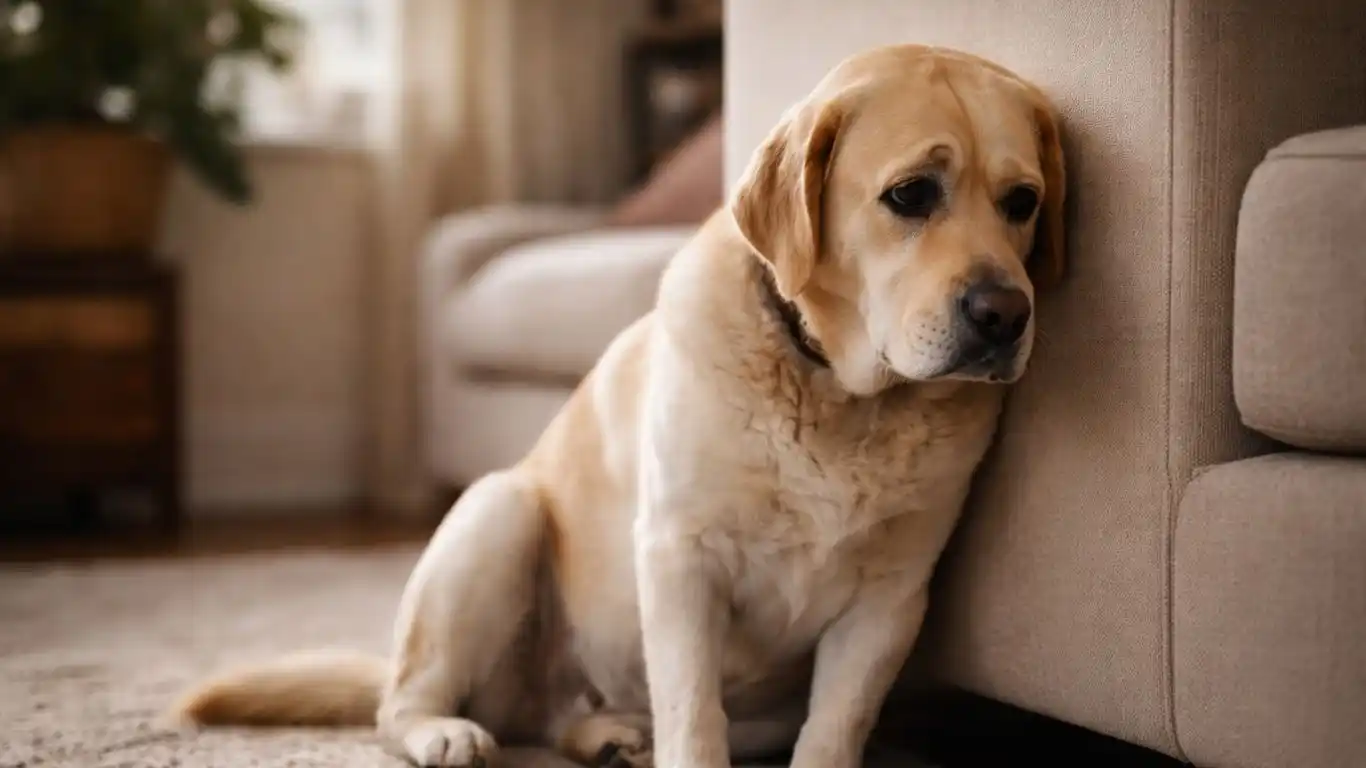
Let me paint you a picture of what last New Year’s Eve looked like in my house: my dog shaking uncontrollably, pupils dilated, panting like he’d just run a marathon. He tried to hide behind the toilet, under the bed, in the closet—anywhere that felt “safe.” And this is a dog who’s normally confident and happy.
The truth is, dogs hear fireworks at a volume 4 times louder than we do. What sounds like celebration to us sounds like war zone explosions to them. Their acute hearing picks up frequencies we can’t even detect, making every boom feel like an immediate threat.
And here’s what really gets me: we know it’s coming. We see December 31st on the calendar, yet so many dogs suffer needlessly because their owners don’t know there are things we can do to help.
What I Actually Do: My New Year’s Eve Dog Safety Protocol
After years of trial and error (and a few panic-filled midnight calls to my vet), here’s exactly what works for my dog. This isn’t theory—this is what I do every single year now.
1. I Cancel My Plans and Stay Home
I know, I know. This sounds extreme. But hear me out.
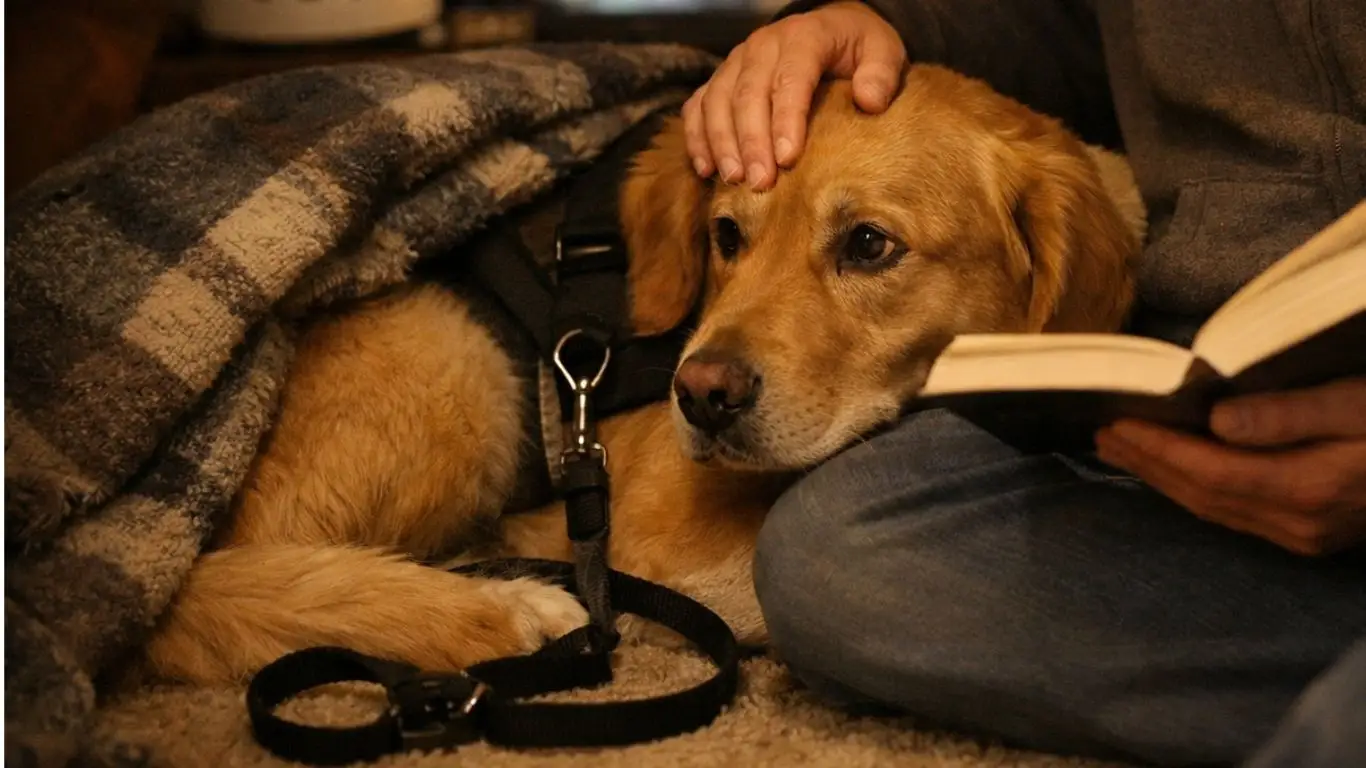
The single most important thing I do is stay with my dog the entire night. I’ve tried leaving him with a pet sitter. I’ve tried those “he’ll be fine” moments. Every single time, I come home to a traumatized dog who’s destroyed something, hurt himself trying to escape, or is still shaking hours later.
Dogs are pack animals. When they’re terrified, they need their pack leader—that’s you. Your presence alone reduces their cortisol (stress hormone) levels significantly.
💡 Real Talk from Alex
I’ve turned down New Year’s parties, fancy dinners, even a trip to Times Square (okay, that one wasn’t hard to skip). But every year, when I see my dog finally relax because I’m there with him, I know I made the right choice. Those celebrations will happen again. But your dog only has you in that moment of terror.
2. The Leash Stays On (Yes, Inside the House)
This might seem weird, but I keep a leash on my dog from about 9 PM until at least 1 AM.
Here’s why: panic makes dogs do irrational things. I’ve heard horror stories of dogs bolting through screen doors, jumping through windows, or escaping when someone opens the door to take out trash. More dogs go missing on New Year’s Eve and July 4th than any other days of the year.
With the leash on:
- If he panics, I can immediately control the situation
- He can’t hurt himself trying to escape
- I can gently guide him to his safe space
- If we need to move to a quieter room, I don’t have to chase a terrified dog
Pro tip: Use a comfortable harness, not a collar. If he pulls in panic, a harness won’t choke him or injure his neck.
3. We Create a “Safe Room” Away from Windows
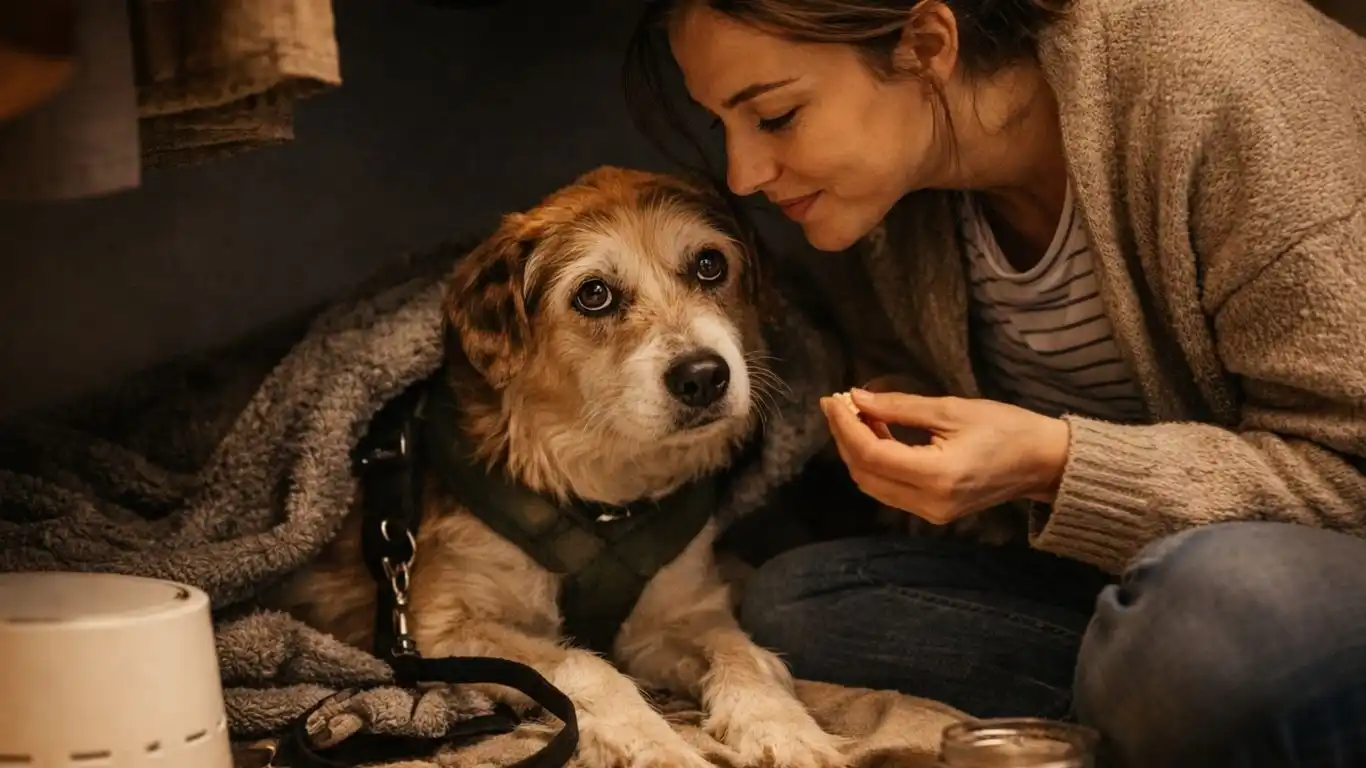
About an hour before I expect fireworks to start, I close all windows and curtains, turn on fans or white noise machines, and set up what I call his “safe room”—usually the bathroom or a walk-in closet with no windows.
Here’s what goes in the safe room:
- His favorite bed or blanket (something that smells like home)
- A few high-value treats he only gets during stressful times
- His favorite toy
- A piece of my worn clothing (my scent calms him)
- Water bowl
I don’t force him in there. I just make it available, and when the booms start, he naturally gravitates toward it. Sometimes I sit in there with him. Sometimes I just keep the door open and check on him every few minutes.
4. Background Noise Is Non-Negotiable
I blast the TV, put on loud music, or run multiple fans and air purifiers. The goal isn’t to completely mask the fireworks (that’s impossible), but to create competing sounds that make the explosions less sharp and jarring.
What works for my dog:
- Nature documentaries (the narrator’s calm voice helps)
- Classical music or specifically designed “dog calming music” on Spotify
- White noise machines at full volume
- Bathroom exhaust fans
Some people swear by those “Through a Dog’s Ear” albums—honestly, I think any consistent background noise helps more than the specific type.
5. I Act Completely Normal (Even Though I’m Anxious Too)
This is the hardest part: dogs pick up on our energy instantly.
When the first boom happens, I don’t:
- Rush to comfort him excessively
- Use a high-pitched “it’s okay baby!” voice
- Act concerned or worried
Instead, I:
- Continue whatever I was doing (watching TV, reading, scrolling my phone)
- Speak in a normal, matter-of-fact tone if I talk to him
- Occasionally toss him a treat without making eye contact
Why? Because if I act like something’s wrong, I confirm his fear that there IS something to be afraid of. If I act like everything’s normal, he starts to believe maybe it’s not that bad.
This doesn’t mean ignoring him. It means being present but calm. I’m there if he needs me, but I’m not feeding into the panic.
When Nothing Else Works: The Sedative Conversation
This Is Not My First Choice
I need to be clear: I don’t like the idea of sedating my dog. I really don’t. It feels like we’re medicating him because humans want to blow stuff up, and that’s fundamentally unfair.
But if you live in an area where fireworks are intense and prolonged—think major cities, areas near professional displays, or neighborhoods where people set off their own fireworks for hours—sometimes a mild sedative prescribed by your vet is the most humane option.
When to Talk to Your Vet About Sedatives
I finally had the conversation with my vet after a particularly bad year when my dog was still shaking violently three hours after the fireworks ended. He couldn’t eat, couldn’t settle, and I genuinely worried he was going to have a heart attack from stress.
Consider talking to your vet if your dog:
- Has a history of severe anxiety or panic attacks
- Has injured himself trying to escape during previous fireworks
- Lives in an area with intense, prolonged fireworks (30+ minutes of continuous noise)
- Shows extreme symptoms like vomiting, diarrhea, or complete loss of bodily control during fireworks
- Has a heart condition (stress can be legitimately dangerous)
What Vets Usually Prescribe
My vet explained these options:
Trazodone - A mild sedative that takes the edge off without knocking them out completely. My dog gets this now, and it’s made a huge difference. He’s still aware but not in complete panic mode.
Acepromazine - Stronger sedative that some vets use, though many are moving away from it because it sedates the body but doesn’t always calm the mind (so the dog might still feel scared but just can’t move).
Gabapentin - Sometimes used for anxiety, helps with the physical symptoms of stress.
Sileo - An oromucosal gel specifically approved for noise phobias in dogs.
⏰ Important Timing Note
Most sedatives need to be given 1-2 hours BEFORE the fireworks start. Don’t wait until your dog is already panicking. Talk to your vet about timing—they’ll give you a specific schedule. For my dog, I give his medication at 8 PM on New Year’s Eve, before any noise starts.
My Honest Experience with Sedatives
The first time I gave my dog trazodone, I was terrified. What if something went wrong? What if he had a bad reaction?
But here’s what actually happened: instead of shaking and panting for 4+ hours, he was… chill. Not zombie-like, not “drugged”—just noticeably calmer. He still reacted to particularly loud booms, but instead of full panic, he’d just look up, assess, and settle back down.
The difference was night and day. And honestly, I regret not doing it sooner. Those years of letting him suffer through extreme anxiety because I was uncomfortable with medication? That was me putting my feelings above his wellbeing.
Other Things That Help (But Aren’t Magic Solutions)
Let me save you some money and disappointment by telling you what I’ve tried that had mixed results:
Thunder Shirts / Anxiety Wraps
My experience: Helps slightly, but not a game-changer. It’s like a gentle hug—nice, but not enough if fireworks are intense. I still use it in combination with other strategies.
CBD Oil for Dogs
My experience: Took the edge off very mild anxiety, but did basically nothing during New Year’s Eve. Your mileage may vary, but don’t expect miracles.
Calming Treats
My experience: My dog wouldn’t eat them during fireworks because he was too stressed. They work better for mild anxiety (like vet visits), not full panic mode.
Pheromone Diffusers (Adaptil)
My experience: I keep one plugged in anyway, but I can’t honestly say I’ve noticed a significant difference during fireworks. Some people swear by them though.
The Week Before: Preparation Matters
Don’t wait until December 31st at 11 PM to start preparing. Here’s what I do in the days leading up:
December 26-30:
- Extra exercise during the day (a tired dog is slightly less anxious)
- Practice going to the “safe room” with treats so it feels positive
- Test the TV/music setup to find the best noise-masking volume
- Make sure all windows and doors are secure
- Update his ID tags and microchip info (in case the worst happens)
- Call the vet if I’m considering medication—don’t wait until the last minute
December 31st morning:
- Long walk or play session (tire him out)
- Feed dinner earlier than normal (so he’s not dealing with digestion + anxiety)
- Give any prescribed medication at the time vet recommended
- Set up safe room by 7 PM
- Put his leash on by 9 PM
What to Do If Your Dog Escapes
Despite all precautions, dogs sometimes escape during fireworks. If this happens:
- Don’t chase them - this triggers their flight response even more
- Get low to the ground - make yourself less threatening
- Call them in a happy voice - not a panicked one
- Use high-value treats - whatever they can’t resist
- Contact local shelters and vets immediately - many stay open late on holidays
- Post on local Facebook groups and Nextdoor - people are usually very helpful
My Final Thoughts: You’re Not Overreacting
Look, I get it. Some people think we’re being “too much” about this. They say things like “it’s just fireworks” or “dogs will get over it.”
But here’s the thing: you know your dog better than anyone. If you’re reading this article, it’s because you’ve seen the terror in your dog’s eyes during fireworks. You’ve felt them shaking. You’ve watched them suffer.
You’re not overreacting. You’re being a good dog owner.
Every year, I hope that New Year’s Eve will be different. That somehow my dog will magically be okay with the explosions. That our neighborhood will skip the fireworks. But until that happens, I’ll keep doing what I know helps: staying home, staying close, and doing whatever it takes to make those few hours bearable for him.
If you’re in the same boat, I hope some of these strategies help. And if you need permission to medicate your dog this year, here it is: it’s okay to ask your vet for help. Your dog’s mental wellbeing matters just as much as their physical health.
Quick Reference: New Year’s Eve Dog Safety Checklist
✓ Before 9 PM:
- □Exercise your dog thoroughly
- □Feed dinner early
- □Give medication if prescribed (timing per vet’s instructions)
- □Close all windows and curtains
- □Set up safe room with bed, treats, water
- □Turn on TV/music/white noise
- □Put leash on dog (with harness)
- □Check all doors/gates are secure
✓ During Fireworks:
- □Stay home with your dog
- □Act calm and normal
- □Allow access to safe room
- □Keep leash on entire time
- □Monitor for extreme distress
Have your own tips for dealing with New Year’s fireworks? I’m always looking to learn new strategies. And if you’re going through this for the first time, hang in there. You’re doing great, and your dog is lucky to have someone who cares this much.
Stay safe, stay close to your pup, and here’s hoping for a calmer New Year’s Eve for all our furry friends. 🐾
Disclaimer: This article reflects my personal experience as a dog owner and is not a substitute for professional veterinary advice. Always consult your veterinarian before giving your dog any medication, including sedatives. Every dog is different, and what works for my dog may not work for yours.
Written by Alex | December 29, 2025 | DogCityGuide.com