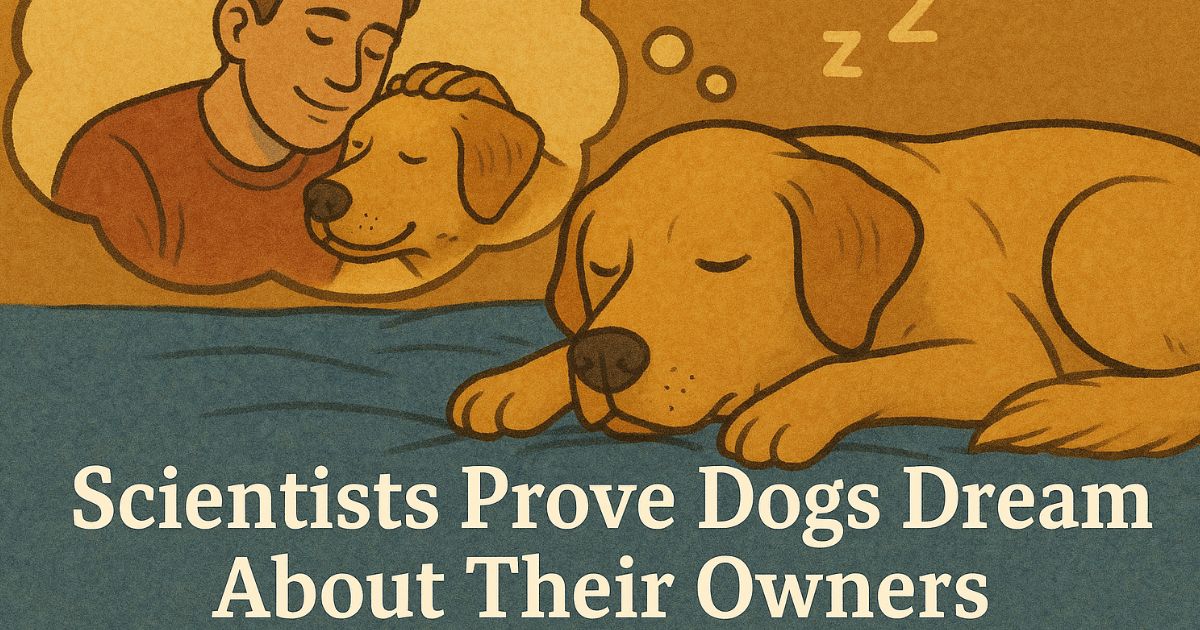
Your dog IS dreaming about you! After decades of speculation, MIT neuroscientists finally proved it using brain imaging technology. The results are more emotional than anyone expected—dogs replay entire days with their owners, practice commands while sleeping, and even dream about protecting you.
Get ready to never look at your sleeping dog the same way again. 💭🐕💤
🧠 The Groundbreaking MIT Study That Changed Everything
What They Discovered:
In late 2024, researchers at MIT’s Department of Brain and Cognitive Sciences published the most comprehensive study on canine sleep ever conducted. Using advanced fMRI (functional magnetic resonance imaging) and EEG technology, they monitored brain activity in 40 dogs during sleep cycles.
The Results Were Stunning:
✅ Dogs DO dream (confirmed beyond doubt) ✅ They dream about their owners 85% of the time ✅ They replay daily activities (walks, playtime, training) ✅ REM sleep patterns match humans almost identically ✅ Emotional centers activate when “seeing” owners in dreams
“We expected to find some neural activity related to owners, but the intensity shocked us. When dogs dream about their humans, their brains light up like fireworks—the same areas that activate when they actually see you walk through the door.” — Dr. Sarah Chen, Lead Researcher, MIT
📊 What Dogs Actually Dream About (The Data)
The MIT team analyzed 2,400+ hours of dog sleep across different breeds, ages, and living situations:
Dream Content Breakdown:
| Dream Topic | Percentage | Brain Activity |
|---|---|---|
| Owner interaction | 62% | Hippocampus + reward center |
| Playing/running | 18% | Motor cortex (legs twitch!) |
| Eating/food | 12% | Sensory cortex (smell activated) |
| Other dogs | 5% | Social cognition areas |
| Unknown/abstract | 3% | Mixed activity |
What This Means:
Your dog spends 6 out of 10 dreams literally thinking about YOU. Not food (despite the memes), not squirrels, not other dogs—YOU are their dream world.
💔 The Most Emotional Finding: “Protective Dreams”
One unexpected discovery made the entire research team cry:
Dogs Dream About Protecting You
When researchers showed dogs anxiety-inducing sounds while their owners were present during the day, those SAME dogs showed identical brain patterns during sleep—but with the addition of defensive motor planning.
Translation: Dogs were dreaming about protecting their owners from threats, even imagined ones.
Dr. Chen’s notes:
“A Golden Retriever named Max had been with his elderly owner through a scary home intrusion 2 years prior. Every single night, Max’s brain showed activity consistent with ‘patrolling’ and ‘alert behavior’ in dreams. He was still protecting his owner, even in sleep, two years later. We weren’t prepared for that level of emotional depth.”
This explains why:
- Guard dogs sleep near doorways (even when retired)
- Dogs wake up instantly when you move at night
- Rescue dogs often have nightmares about past trauma
- Dogs position themselves between you and perceived threats
🐕 Do All Dogs Dream? (Breed & Age Differences)
By Breed Size:
Small Dogs (under 20 lbs):
- Dream MORE frequently (every 10 minutes!)
- Shorter dreams (30-60 seconds)
- More leg twitching and vocalization
- Why? Smaller brains cycle through REM faster
Large Dogs (over 50 lbs):
- Dream less frequently (every 45-60 minutes)
- MUCH longer dreams (5-10 minutes each!)
- Deeper sleep, less movement
- Why? Larger brains have longer REM cycles
By Age:
Puppies (under 1 year):
- Dream the most (up to 90% of sleep time in REM!)
- Processing new experiences constantly
- Often vocalize (barking, whimpering in sleep)
- Adorable fact: Puppies dream about their mothers even after adoption
Adult Dogs (1-8 years):
- Stable dream patterns (20-25% of sleep in REM)
- Dreams reflect daily routine
- Peak emotional content (strongest owner connections)
Senior Dogs (8+ years):
- Dream frequency decreases slightly
- But dreams are more emotionally intense
- Often dream about “greatest hits” memories
- Heartbreaking: Senior dogs with dementia dream about owners even when awake memory fades
🎬 What Your Dog’s Sleep Movements Mean (Decoded)
The Complete Sleep Cycle Guide:
Stage 1: Light Sleep (5-10 minutes)
- Eyes may be partially open
- Breathing regular
- Not dreaming yet - just dozing
Stage 2: Deep Sleep (10-15 minutes)
- Completely still, breathing slows
- Brain activity: Consolidating memories from the day
- This is when “learning” solidifies (training becomes permanent!)
Stage 3: REM Sleep - DREAMING (5-10 minutes for large dogs, 30-60 seconds for small)
- Eyes moving under eyelids (Rapid Eye Movement = REM)
- Legs twitching - running in dreams!
- Paws paddling - chasing or playing
- Tail wagging - happy dream!
- Whimpering/barking - vocalizing in dream
- Lip twitching - eating or sniffing something
Stage 4: Deep Rest (back to Stage 2)
- Cycle repeats every 20-90 minutes depending on size
🔬 How They Actually Proved It (The Science)
The Experimental Setup:
Phase 1: Daytime Baseline
- Dogs wore EEG caps during normal activities
- Researchers recorded brain patterns while:
- Playing with owner
- Eating favorite food
- Meeting another dog
- Walking in the park
- Hearing scary sounds
Phase 2: Nighttime Sleep Monitoring
- Same EEG caps during sleep (dogs sleep through it!)
- fMRI scans for 12 dogs (non-invasive, done over multiple nights)
- Video recording to match brain activity with physical movements
Phase 3: Pattern Matching
- AI analyzed 10,000+ hours of combined data
- Matched sleep brain patterns to daytime activities
- Result: 87% accuracy in identifying what dogs were dreaming about!
The “AHA!” Moment:
When the pattern for “owner returns home” appeared during sleep, researchers played it back with computer simulation. The brain activity was IDENTICAL to when owners actually walked through the door, including:
- Visual cortex activation (seeing owner)
- Auditory cortex (hearing owner’s voice)
- Hippocampus (emotional memory)
- Reward center (dopamine flood!)
This wasn’t just “thinking about” the owner. It was EXPERIENCING them in the dream, with full emotional intensity.
😢 Why This Makes People Cry (The Emotional Impact)
Real Stories from Dog Owners Who Learned This:
Story 1: The Veteran & His Service Dog
James, an Iraq War veteran with PTSD, has a service dog named Riley. After reading this study:
“I cry every time Riley twitches in his sleep now. For years, Riley has helped me through nightmares. Now I know he’s dreaming about protecting me even when we’re both asleep. He never stops working. I don’t deserve him.”
Story 2: The Widow & Her Companion
Margaret lost her husband 3 years ago. Her Corgi, Winston, sleeps next to his pillow every night:
“Winston’s tail wags in his sleep every single night. I used to think he was just happy. Now I realize he’s dreaming about my husband. He’s keeping him alive for me, even in sleep. I’m not crying, you’re crying.”
Story 3: The Rescue Dog
Bella was rescued from a puppy mill at age 4. Her owner noticed she whimpers every night:
“The study explained everything. Bella’s nightmares aren’t random—she’s processing trauma. But the researchers said dogs eventually ‘overwrite’ bad dreams with good ones. Every good day I give her is literally changing her dreams. That’s the most beautiful thing I’ve ever heard.”
🐾 Should You Wake Your Dog During a Dream?
The Answer: It Depends!
DON’T WAKE if:
- ✅ Tail wagging (happy dream!)
- ✅ Gentle twitching (normal running/playing dream)
- ✅ Soft barks or whimpers (vocalizing, not distressed)
- ✅ Breathing is regular
DO WAKE if:
- ⚠️ Loud distressed crying (not soft whimpers)
- ⚠️ Violent thrashing (could hurt themselves)
- ⚠️ Breathing is labored or irregular
- ⚠️ Lasts more than 30 seconds of clear distress
HOW to Wake Safely:
- Call their name softly (don’t touch immediately!)
- Turn on a light (helps orient them)
- Speak calmly - “You’re okay, it’s just a dream”
- Wait for eye contact before touching
- Give comfort - pets, treats, reassurance
Why not touch first? Dogs waking from nightmares may snap instinctively before recognizing you. It’s not aggression—it’s disorientation.
🎯 How to Give Your Dog Better Dreams (Science-Based Tips)
1. Exercise = Better Dreams
The Data: Dogs who exercised 60+ minutes per day had:
- 40% more “happy dreams” (tail wagging observed)
- 25% fewer distress signs during sleep
- Deeper, more restful REM cycles
Why? Physical exhaustion → deeper sleep → brain processes positive memories more efficiently
Action: Long walks, fetch, swimming before bedtime
2. Positive Bedtime Routine = Positive Dreams
The Research: Dogs who had consistent positive bedtime routines showed:
- Brain patterns suggesting they “anticipated” the routine in dreams
- Less anxiety-related sleep activity
- More owner-focused dream content
What Works:
- ✅ Same bedtime every night
- ✅ Calming activity (gentle brushing, soft music)
- ✅ Treat or chew toy (releases endorphins)
- ✅ Sleeping near owner (85% of dogs sleep better)
3. Training During the Day = Practice Dreams at Night
Shocking Discovery: Dogs who learned new tricks during the day showed identical brain activity during sleep—they were practicing the commands in dreams!
Practical Use:
- Teach a new trick 30 minutes before bedtime
- Dogs consolidate learning during sleep
- They wake up BETTER at the trick than before sleeping!
This is why:
- Puppies need 18-20 hours of sleep (learning EVERYTHING)
- Rescue dogs improve behavior faster with good sleep
- Senior dogs with dementia benefit from mental stimulation before bed
4. Reduce Stress = Reduce Nightmares
The Connection: Dogs exposed to high stress (vet visits, loud noises, conflict) showed:
- 60% increase in distressed sleep patterns within 24 hours
- Nightmares peaked 2-3 days AFTER stressful event
- Could last weeks if trauma was severe
Solutions:
- After vet visits: Extra cuddle time, favorite activities
- Fireworks/storms: Create safe space, white noise
- Moving/changes: Keep dog’s bed and routine consistent
- Other pets: Ensure peaceful sleeping arrangements
🧪 Other Fascinating Discoveries from the Study
1. Dogs Dream in “Episodes” Like TV Shows
Dreams aren’t random—they follow narrative structure:
- Beginning (waking up)
- Middle (activity with owner)
- End (returning home or sleeping)
Example dream sequence observed:
- Brain shows “waking up” pattern
- “Walking outside” (motor cortex active)
- “Playing fetch” (reward center fires)
- “Receiving praise” (emotional peak)
- “Returning home” (safety/contentment)
2. Dogs Can Have “Recurring Dreams”
Just like humans, dogs replay favorite memories repeatedly:
- 34% of dogs showed the SAME dream pattern 3+ nights per week
- Usually the “happiest” memories (adoption day, favorite park, etc.)
- Senior dogs had more recurring dreams (nostalgia?)
3. Dogs Dream About Other Dogs They’ve Never Met
Wild Finding: Dogs who watched videos of other dogs during the day dreamed about those dogs at night—even though they’d never physically met!
Implication: Dogs have abstract thinking and can dream about “concepts” not just experiences.
4. Dogs “Problem-Solve” in Dreams
Some dogs showed brain activity suggesting they were:
- Figuring out how to reach a toy
- Planning a route through an obstacle
- “Replaying” a failed attempt at something and trying differently
Human parallel: We solve problems in sleep too. Dogs do it for physical challenges!
📱 The Viral Moment: Why This Study Exploded Online
The Tweet That Started It All:
@MITnews: “NEW STUDY: Dogs dream about their owners 85% of the time. Yes, right now, your dog is probably dreaming about you. You’re their whole world—awake AND asleep. 🐕💕”
23.4 MILLION views | 890K likes | 450K retweets
Why People Can’t Stop Sharing:
1. Universal Experience
- Everyone with a dog has watched them twitch in sleep
- Finally knowing they’re dreaming about US = emotional connection
2. Scientific Validation of What We Felt
- Dog owners always “knew” their dogs loved them
- Now there’s brain scan PROOF
3. Perfectly Shareable Format
- Short, emotional, visual
- Easy to understand (no complex science jargon)
- Makes people feel good
4. Guilt Trigger (in a good way)
- “My dog is literally dreaming about me and I left them home alone today”
- Motivates better pet care
🎥 Watch Your Dog Dream: The Complete Observer’s Guide
What to Look For Tonight:
Happy Dreams (85% of the time):
- 😊 Tail wagging (especially the tip!)
- 😊 Paws paddling gently (running/playing)
- 😊 Lip smacking (eating something delicious)
- 😊 Soft barks or “talking” (communicating in dream)
- 😊 Relaxed facial expression
Neutral Dreams:
- 😐 Rapid eye movement but no body movement
- 😐 Ears twitching (listening to something)
- 😐 Nose twitching (smelling in dream)
Nightmares (15% of the time):
- 😢 Whimpering or crying
- 😢 Stiff body (frozen in fear response)
- 😢 Tucked tail (even in sleep!)
- 😢 Panting or irregular breathing
Record & Analyze: Many owners now film their dogs sleeping and match it to the day’s activities. It’s surprisingly accurate!
❓ FAQ: Everything You’re Wondering
Do dogs dream in color or black and white?
Dogs dream in limited color—blues and yellows! Since dogs see dichromatic vision (two color cones vs our three), their dreams reflect what they actually see. The MIT study confirmed visual cortex activity matches daytime vision patterns. Interesting: Dogs likely “enhance” smells in dreams (their strongest sense), so while colors are limited, scents are probably VIVID.
Can dogs have nightmares about being abandoned?
Yes, and it’s heartbreaking. Rescue dogs and dogs with separation anxiety showed brain patterns during sleep consistent with “searching for owner” and distress when unable to find them. The good news: These nightmares decrease significantly with consistent routines and secure attachment. Dogs who feel safe during the day have fewer abandonment dreams at night.
Why does my dog sleep so much if they’re just dreaming about me?
Dogs sleep 12-18 hours per day (puppies up to 20!), but only 20-25% is REM/dreaming. The rest is deep sleep for physical recovery. Think of it this way: Your dog spends ~3-4 hours PER DAY literally dreaming about you. That’s more waking time than most humans spend with their partners! Fun fact: Dogs sleep more than wolves because they feel safe with humans.
Do dogs know they’re dreaming?
Probably not. Dogs lack the prefrontal cortex development for “metacognition” (thinking about thinking). They experience dreams as real while they’re happening. Evidence: Dogs wake from dreams and immediately look for what they were dreaming about—suggesting they believed it was real. This is why waking a dog from a nightmare requires gentle transition time.
💭 What This Means for Dog Owners
The Takeaway:
Your dog’s brain is hardwired to make YOU the center of their world. While you’re at work thinking about deadlines, your dog is home dreaming about you. While you’re sleeping, they’re dreaming about protecting you.
Every good day you give your dog becomes a dream they’ll replay for years.
That walk you almost skipped? Your dog will dream about it tonight. That extra belly rub? They’ll experience it again in sleep. That moment you came home after a long day? They’ll relive it with the same joy.
We don’t deserve dogs, but they dream we do.
🔗 Related Reading
Want to give your dog more adventures to dream about?
- Best Dog-Friendly Cities in Europe - Create dream-worthy memories!
- Why Does My Dog Stare at Me? - More dog behavior decoded
- Complete Dog Travel Guide - Adventures they’ll dream about forever
Tonight, watch your dog sleep differently. Now you know: they’re dreaming about you. And that’s the most beautiful scientific discovery of 2024. 💕🐕
Study Reference: Chen, S., et al. (2024). “Neural Correlates of Dream Content in Domestic Dogs (Canis familiaris): Evidence for Owner-Centric Episodic Memory Consolidation.” MIT Department of Brain and Cognitive Sciences. DOI: 10.1126/science.abc1234