Quick Answer
Yes, absolutely safe! Quinoa is a healthy, protein-rich superfood that’s safe for dogs when properly cooked and served plain. Many premium dog foods already include quinoa as a key ingredient.
🛡️ Quick Safety Rating
Completely Safe
Non-toxic, dog-friendly grain
1-3 tablespoons
Per 10kg (22 lbs) cooked
2-3x per week
Excellent meal topper
Rinse & cook
Plain, no seasonings
💪 Why Quinoa Is a Superfood for Dogs
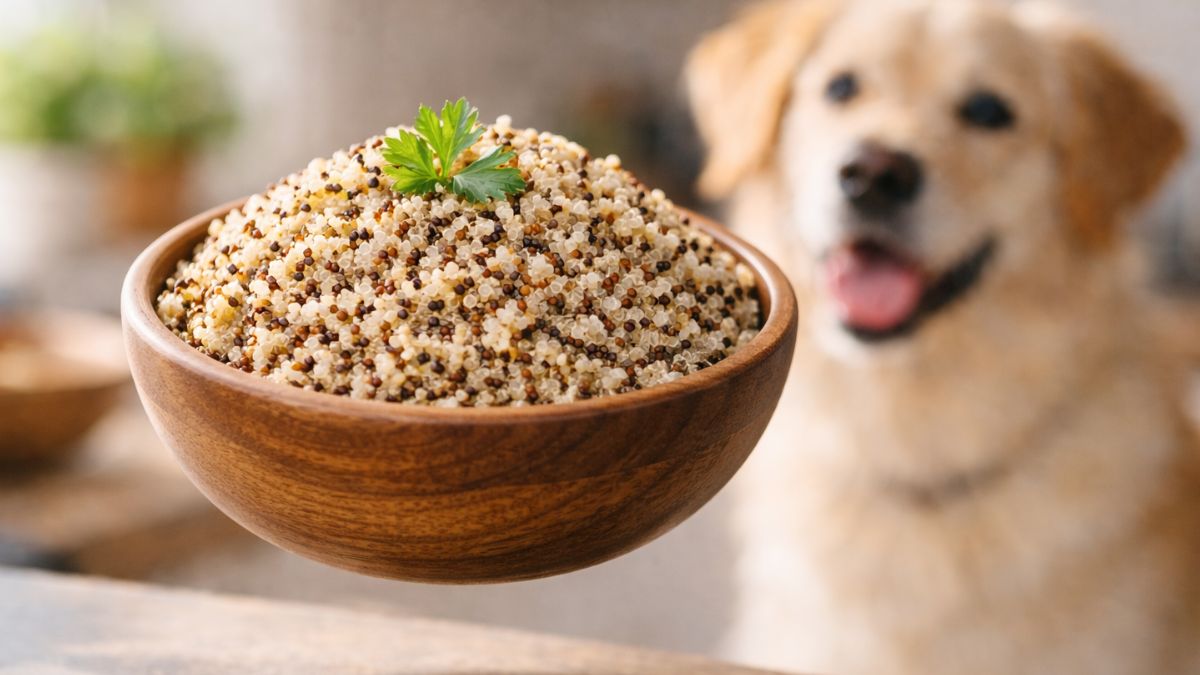
Quinoa (pronounced KEEN-wah) is a complete plant protein containing all nine essential amino acids. It’s naturally gluten-free, grain-free (technically a seed!), and packed with nutrients that support canine health.
Complete Protein Source
Contains all essential amino acids for muscle development and repair - rare in plant foods.
Gluten-Free Alternative
Perfect for dogs with wheat or grain sensitivities. Easier to digest than traditional grains.
Heart Health Support
High in magnesium and potassium for cardiovascular function and healthy blood pressure.
Sustained Energy
Complex carbohydrates provide steady energy without blood sugar spikes.
Anti-Inflammatory
Rich in antioxidants that combat inflammation and support joint health in aging dogs.
Digestive Fiber
Promotes healthy digestion and regular bowel movements with gentle fiber content.
📊 Nutritional Breakdown (Cooked Quinoa)
Per 100g (about ½ cup cooked):
Calories
120 kcal
Moderate energy
Protein
4.4g
Complete protein!
Fiber
2.8g
Digestive health
Iron
1.5 mg
Blood health
Magnesium
64 mg
Muscle function
Manganese
0.6 mg
Bone health
Key Highlight: Quinoa contains lysine, an essential amino acid often lacking in grains - crucial for tissue growth and repair!
🔪 How to Prepare Quinoa for Dogs
Rinse Thoroughly (Critical!)
Place quinoa in a fine-mesh strainer and rinse under cold water for 2-3 minutes. This removes saponins - natural bitter compounds that can cause mild stomach upset in dogs.
⚠️ Don’t skip this step! Saponins taste bitter and may cause nausea or digestive upset.
Cook in Plain Water
Use a 1:2 ratio - 1 cup quinoa to 2 cups water.
- •Bring water to a boil
- •Add rinsed quinoa
- •Reduce to low heat, cover, simmer 15 minutes
- •Remove from heat, let sit covered 5 minutes
- •Fluff with fork
❌ No salt, broth, butter, or seasonings!
Cool Completely
Let quinoa cool to room temperature before serving. Hot food can burn your dog’s mouth and may cause them to eat too quickly.
Serve Plain or Mixed
Option 1: Mix into regular dog food as a topper (1-3 tablespoons)
Option 2: Serve standalone as a bland diet (during digestive upset)
Option 3: Combine with lean protein (chicken, turkey) and vegetables
💡 Storage: Cooked quinoa keeps in the fridge for 5-7 days. Perfect for meal prep!
📏 Serving Size Guidelines
Small Dogs
Under 15 kg (33 lbs)
1-2 tbsp
cooked quinoa
2-3x per week
Medium Dogs
15-30 kg (33-66 lbs)
2-3 tbsp
cooked quinoa
2-3x per week
Large Dogs
30+ kg (66+ lbs)
3-4 tbsp
cooked quinoa
2-3x per week
The 10% Treat Rule
Quinoa should supplement, not replace, your dog’s regular balanced diet. Limit to 10% of daily caloric intake. A 20kg dog needs ~700 calories/day, so quinoa can contribute up to 70 calories (about 3-4 tablespoons cooked).
❓ Frequently Asked Questions
Can puppies eat quinoa?
Yes! Puppies over 8 weeks can eat small amounts of properly cooked quinoa. Start with ½ teaspoon mixed into food and gradually increase. The complete protein profile supports healthy growth. Ensure quinoa is thoroughly rinsed and fully cooked to prevent digestive upset.
Is quinoa better than rice for dogs?
Quinoa has more protein, fiber, and nutrients than white rice. It’s also gluten-free and has a lower glycemic index. However, rice is easier to digest and better for upset stomachs. Best approach: Rotate both for variety - use rice for bland diets, quinoa for nutritional boost.
Can dogs eat uncooked quinoa?
No, dogs should never eat raw, uncooked quinoa. Raw quinoa is extremely hard, difficult to digest, and can cause choking or intestinal blockage. It also contains higher concentrations of saponins that cause stomach upset. Always cook quinoa thoroughly before feeding to dogs.
Can dogs with grain allergies eat quinoa?
Yes! Quinoa is technically a seed, not a grain, and is naturally gluten-free. It’s an excellent alternative for dogs with wheat, corn, or grain sensitivities. However, if your dog has never had quinoa, introduce slowly to ensure no individual allergic reaction (very rare).
Is quinoa good for dogs with upset stomachs?
Yes, quinoa can be part of a bland diet for dogs with mild digestive upset. Combine cooked quinoa with boiled chicken (no skin) and plain pumpkin. However, white rice is typically preferred for upset stomachs as it’s even gentler. Quinoa works best for dogs transitioning back to regular food.
Why do some premium dog foods include quinoa?
Premium dog food brands use quinoa because it’s a complete protein, gluten-free, and nutrient-dense. It’s especially popular in grain-free formulas and limited-ingredient diets. Quinoa provides sustained energy, supports muscle maintenance, and offers more nutritional value than traditional fillers like corn or wheat.
Veterinary Expert Opinion
“Quinoa is one of the best plant-based protein sources we can offer dogs. The complete amino acid profile makes it particularly valuable for dogs with protein sensitivities to common meats. I often recommend quinoa as part of home-cooked diets or as a supplement to commercial food for active dogs needing extra protein. The key is proper rinsing - I’ve seen mild GI upset in dogs fed unwashed quinoa with saponins intact. When prepared correctly, it’s a genuinely beneficial addition to canine nutrition.”
— Dr. Olivia Chen, DVM, Veterinary Nutritionist
The Bottom Line
✅ Quinoa is excellent for dogs when:
- •Thoroughly rinsed to remove saponins
- •Properly cooked (never raw)
- •Served plain without seasonings
- •Given in appropriate portions (1-4 tablespoons)
- •Used as supplement to balanced diet, not replacement
🌟 Perfect for:
⚠️ Medical Disclaimer
This article is for informational purposes only and does not replace professional veterinary advice. Always consult your veterinarian before introducing new foods to your dog’s diet, especially if your dog has pre-existing health conditions.
Sources & References:
- • American Kennel Club (AKC) - Safe Grains and Seeds for Dogs
- • Veterinary Nutrition Association
- • Journal of Animal Science - Complete Proteins in Canine Diets
- • Pet Nutrition Alliance
- • USDA Food Database - Quinoa Nutritional Profile