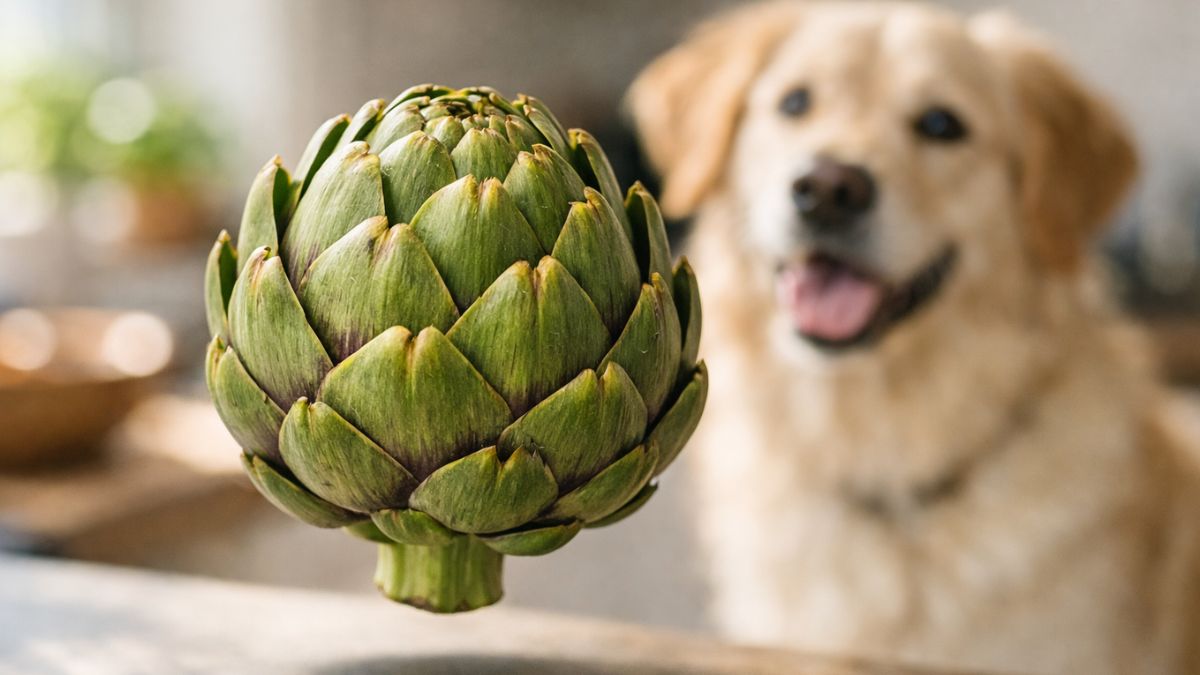
Quick Answer
Yes, cooked only! Artichokes are safe for dogs when properly cooked (steamed or boiled) without seasonings. The heart and soft inner leaves are best. Never feed raw artichokes or the tough outer leaves.
🛡️ Quick Safety Rating
Cooked Only - Caution
Must be properly prepared
1-2 tablespoons
Per 10kg (22 lbs) body weight
1-2x per week
Occasional treat
Steam or boil
No seasonings, plain only
💪 Why Artichokes Are Beneficial for Dogs
Artichokes are a nutrient-dense superfood packed with antioxidants, fiber, and liver-supporting compounds. When properly prepared, they offer genuine health benefits for dogs, particularly for digestive and cardiovascular health.
Heart Health Champion
High potassium and antioxidants support cardiovascular function and healthy blood pressure.
Liver Detox Support
Contains cynarin, a compound that promotes healthy liver function and bile production.
Digestive Fiber Boost
Rich in prebiotic fiber that feeds beneficial gut bacteria and promotes regularity.
Antioxidant Powerhouse
One of the highest antioxidant vegetables, combating inflammation and aging.
Immune System Support
Vitamins C and K strengthen defenses and support cellular health.
Low Calorie Nutrition
Only 47 calories per 100g - nutrient-dense without weight concerns.
📊 Nutritional Breakdown (Cooked Artichoke)
Per 100g (½ medium artichoke heart):
Calories
47 kcal
Low calorie
Fiber
5.4g
Excellent source
Vitamin C
11.7 mg
Immune support
Potassium
370 mg
Heart health
Magnesium
60 mg
Muscle function
Folate (B9)
68 µg
Cell health
Fun Fact: Artichokes rank #7 in ORAC (Oxygen Radical Absorbance Capacity) among all vegetables - that’s exceptional antioxidant power!
🔪 How to Safely Prepare Artichokes for Dogs
⚠️ Critical: Dogs can ONLY eat cooked artichokes. Raw artichokes are tough, indigestible, and can cause choking or blockage.
Choose Fresh Artichokes
Select firm, tightly packed artichokes with vibrant green color. Avoid brown, dried, or splitting artichokes.
Alternatively: Use frozen or canned artichoke hearts (check for no added salt or seasonings).
Wash Thoroughly
Rinse under cold running water, spreading leaves gently to remove dirt and debris. Artichokes can hide dirt between leaves.
Cook Plain (No Seasonings)
Steaming (Recommended):
Steam for 25-45 minutes until leaves pull off easily. Preserves maximum nutrients.
Boiling:
Boil in unsalted water for 20-30 minutes. Quicker but loses some nutrients to water.
❌ Never add salt, butter, oil, garlic, or lemon to artichokes for dogs.
Remove Tough Parts
Once cooked and cooled:
- ✓Safe: Artichoke heart (the tender center)
- ✓Safe: Soft inner leaves (the tender, meaty part you scrape off)
- ✗Remove: Tough outer leaves
- ✗Remove: Fuzzy choke in the center (inedible, choking hazard)
- ✗Remove: Stem and tough leaf tips
Chop and Serve
Cut the artichoke heart into small, bite-sized pieces appropriate for your dog’s size. Mix with food or serve as a standalone treat. Store leftovers refrigerated for up to 3 days.
⛔ Parts of Artichoke That Are Dangerous
Raw Artichokes
Extremely tough, impossible to digest, major choking hazard. Never feed raw.
Fuzzy Choke
The hairy, fibrous center. Inedible, causes choking, and irritates throat. Always remove completely.
Tough Outer Leaves
Fibrous and sharp, can splinter and cause mouth injuries or digestive blockage.
Seasoned Artichokes
Artichokes with garlic, butter, oil, salt, or marinades are toxic or harmful to dogs.
📏 Serving Size Guidelines
Small Dogs
Under 15 kg (33 lbs)
1-2 tbsp
chopped heart
1-2x per week max
Medium Dogs
15-30 kg (33-66 lbs)
2-3 tbsp
chopped heart
1-2x per week max
Large Dogs
30+ kg (66+ lbs)
3-4 tbsp
chopped heart
1-2x per week max
First Time Feeding
Start with 1 teaspoon of chopped artichoke heart, regardless of dog size. Wait 24-48 hours and monitor for digestive upset (gas, bloating, diarrhea). Artichokes are high in fiber and can cause reactions in dogs not used to them.
❓ Frequently Asked Questions
Can dogs eat canned artichoke hearts?
Yes, but only if packed in water with no added salt, garlic, or seasonings. Read labels carefully. Most canned artichokes are marinated or heavily salted, making them unsuitable. Rinse thoroughly if any salt is present. Fresh or frozen plain artichokes are safer choices.
Can puppies eat artichokes?
Puppies over 4 months can have tiny amounts (½ teaspoon) of properly cooked artichoke heart. However, the high fiber content may be too much for developing digestive systems. Wait until 6+ months for safer introduction. Always chop very finely for puppies.
Are artichokes toxic to dogs?
No, artichokes are not toxic to dogs. However, they can be dangerous if improperly prepared. Raw artichokes, tough leaves, and the fuzzy choke pose choking and blockage hazards. When properly cooked and prepared (heart and soft leaves only), artichokes are safe and beneficial.
Can dogs eat artichoke dip or spinach artichoke dip?
No, never. Artichoke dips contain dangerous ingredients for dogs: garlic, onions, high salt, cheese, cream, and oils. These can cause toxicity (garlic/onions), pancreatitis (high fat), and sodium poisoning. Only plain, cooked artichoke hearts are safe.
Can artichokes cause gas in dogs?
Yes, artichokes can cause gas in some dogs due to their high fiber content (5.4g per 100g). This is usually mild and temporary. Start with very small amounts and gradually increase. If your dog experiences excessive gas, bloating, or discomfort, reduce portions or discontinue. Dogs prone to bloat should avoid artichokes entirely.
Are artichokes good for dogs with liver problems?
Artichokes contain cynarin, a compound that supports liver function and bile production. While this may be beneficial for liver health, never use artichokes as treatment for liver disease without veterinary guidance. Dogs with diagnosed liver conditions require specific medical diets. Consult your vet before adding artichokes to your dog’s diet.
Veterinary Expert Opinion
“Artichokes are a underutilized superfood for dogs. The antioxidant profile is genuinely impressive, and I’ve seen benefits in dogs with mild digestive issues when incorporated properly. However, preparation is critical - I’ve treated blockages from dogs who ate tough leaves or raw artichokes. My advice: if you’re not confident in your prep skills, skip artichokes and choose simpler vegetables like steamed carrots or green beans. But if you’re willing to properly steam and prepare only the heart, it’s a valuable addition to a varied diet.”
— Dr. Marcus Liu, DVM, Integrative Veterinary Medicine
The Bottom Line
✅ Artichokes are safe when:
- •Properly cooked (steamed or boiled, never raw)
- •Plain only - no salt, butter, oil, or seasonings
- •Only heart and soft inner leaves fed
- •Given in small amounts (1-4 tablespoons)
- •Occasional treat (1-2x per week maximum)
❌ Skip artichokes if:
- • You’re not confident in proper preparation
- • Your dog is prone to bloat or has digestive sensitivities
- • You want a simple, zero-prep treat
- • Your dog is a puppy under 6 months
⚠️ Medical Disclaimer
This article is for informational purposes only and does not replace professional veterinary advice. Always consult your veterinarian before introducing new foods to your dog’s diet, especially if your dog has pre-existing health conditions.
Sources & References:
- • American Kennel Club (AKC) - Safe Vegetables for Dogs
- • ASPCA Animal Poison Control Center
- • Journal of Veterinary Medicine - Antioxidants in Canine Diets
- • Veterinary Nutrition Association
- • USDA Food Database - Artichoke Nutritional Profile
🍽️ Curious about what dogs can and can’t eat?
Explore all our dog nutrition guides