Quick Answer
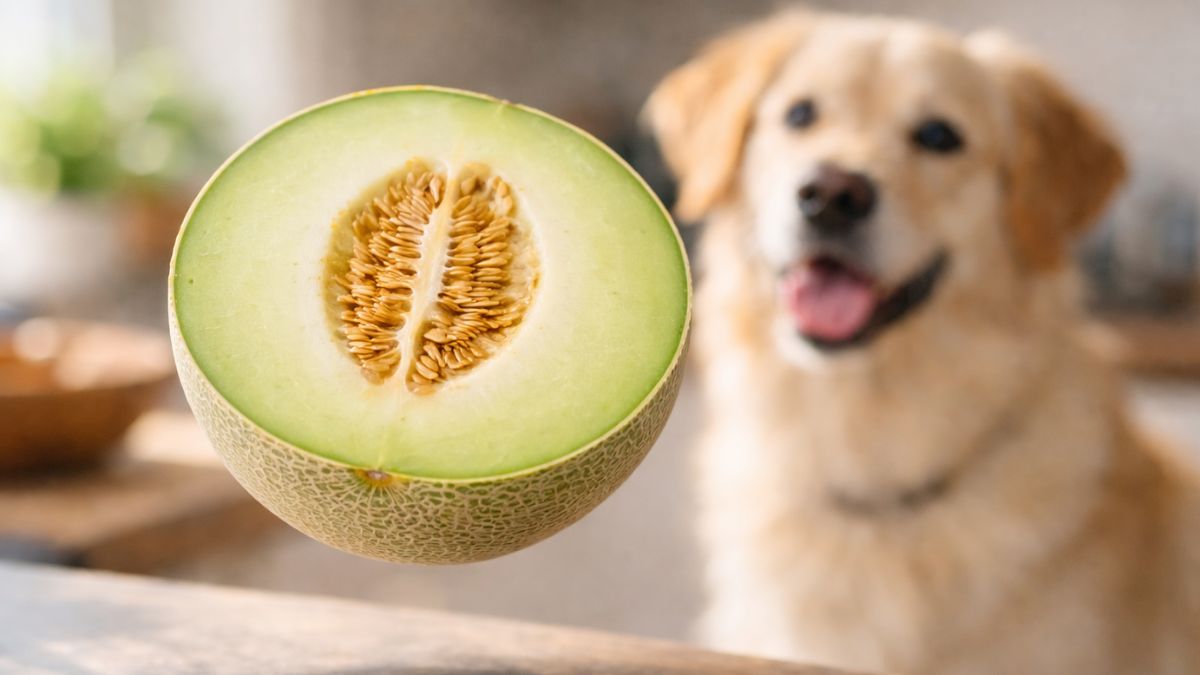
Yes, absolutely! Honeydew melon is safe and highly beneficial for dogs. The sweet, juicy flesh provides excellent hydration and nutrients, perfect for hot summer days. Always remove seeds and rind before serving.
🛡️ Quick Safety Rating
Completely Safe
Non-toxic and dog-friendly
2-4 chunks
Per 10kg (22 lbs) body weight
2-3x per week
Perfect summer treat
Remove rind & seeds
Flesh only, cubed
💪 Why Honeydew Melon Is Excellent for Dogs
Honeydew melon is one of the best summer fruits you can share with your dog. With its high water content and refreshing sweetness, it’s nature’s perfect hydration snack for hot days.
Hydration Powerhouse
90% water content keeps dogs hydrated during summer heat and after exercise.
Immune System Boost
High vitamin C content strengthens natural defenses and fights free radicals.
Digestive Health
Natural fiber promotes healthy bowel movements and gut bacteria balance.
Low Calorie Treat
Only 36 calories per 100g - perfect for weight management and training.
Eye Health Support
Vitamin A and antioxidants promote healthy vision, especially in senior dogs.
Skin & Coat Health
B vitamins and potassium support healthy skin and shiny coat.
📊 Nutritional Breakdown
Per 100g of Honeydew Melon:
Calories
36 kcal
Very low calorie
Water Content
90%
Excellent hydration
Fiber
0.8g
Digestive support
Vitamin C
18 mg
Immune boost
Potassium
228 mg
Heart health
Natural Sugars
8g
Naturally sweet
Rosemary for Dogs: Safe Dosage Guide
Veterinary-approved amounts by weight + why essential oils are toxic
View Full Guide →
🔪 How to Safely Prepare Honeydew Melon
Select Ripe Melon
Choose a honeydew that feels heavy, has a slightly waxy (not fuzzy) skin, and gives slightly when pressed at the blossom end. Sweet aroma indicates ripeness.
Wash the Outside
Rinse the entire melon under running water and scrub gently with a clean brush. Even though you’ll remove the rind, surface bacteria can transfer to the flesh when cutting.
Cut and Remove Rind
Slice the melon in half, scoop out seeds, then cut flesh away from the tough rind. The rind is difficult to digest and should always be discarded.
Cube Into Bite-Sized Pieces
- Small dogs: 1-2cm cubes
- Medium dogs: 2-3cm chunks
- Large dogs: 3-4cm pieces
Serve Fresh or Frozen
Serve immediately at room temperature or chilled from the fridge. For an extra refreshing treat, freeze chunks for 2-3 hours - perfect for summer!
📏 Serving Size Guidelines
Toy Breeds
2-7 kg (4-15 lbs)
2-3
small chunks
2-3x per week
Small Breeds
7-15 kg (15-33 lbs)
3-5
chunks
2-3x per week
Medium Breeds
15-30 kg (33-66 lbs)
5-8
chunks
2-3x per week
Large Breeds
30-45 kg (66-100 lbs)
8-12
chunks
2-3x per week
Giant Breeds
45+ kg (100+ lbs)
12-15
large chunks
2-3x per week
First Time?
Any size dog
1-2
small pieces
Wait 24 hours, observe
The 10% Treat Rule
Honeydew melon should make up no more than 10% of your dog’s daily caloric intake. For most dogs, this means it’s an occasional treat, not a daily snack.
Example: A 20kg (44 lb) dog needs roughly 700-800 calories per day. Honeydew can contribute up to 70-80 calories, which equals about 200g (roughly 1 cup) of melon chunks.
❓ Frequently Asked Questions
Can puppies eat honeydew melon?
Yes! Puppies over 8 weeks can enjoy small amounts of honeydew melon. Start with 1-2 tiny pieces and monitor for any digestive reactions. The soft texture and high water content make it a gentle treat for young dogs. Always supervise puppies while eating to prevent choking.
Can dogs eat honeydew melon rind?
No, dogs should not eat honeydew rind. The thick, tough rind is difficult to digest and can cause digestive upset or even intestinal blockage, especially in smaller dogs. It may also harbor bacteria or pesticide residues. Always remove and discard all rind before serving honeydew to your dog.
Can dogs eat honeydew melon every day?
While honeydew is safe, it’s best offered 2-3 times per week rather than daily. Daily consumption increases sugar intake and may cause digestive changes like loose stools due to the water content. Variety in treats is healthier than relying on one food. Save honeydew for special occasions or hot summer days.
Is frozen honeydew safe for dogs?
Absolutely! Frozen honeydew chunks make an excellent cooling treat, especially in summer or after exercise. Freeze bite-sized pieces for 2-3 hours. The frozen texture is soothing for teething puppies and provides extended eating entertainment. Just ensure pieces are appropriately sized to prevent choking.
Can diabetic dogs eat honeydew melon?
Honeydew contains natural sugars (8g per 100g), so diabetic dogs should only have very small amounts occasionally, if at all. Always consult your veterinarian first before offering honeydew to a diabetic dog. Your vet can advise based on your dog’s specific insulin management and dietary requirements.
Is honeydew better than watermelon for dogs?
Both are excellent! Honeydew has slightly higher vitamin C and potassium, while watermelon has more vitamin A (lycopene). Honeydew has fewer seeds to remove (just the central cluster), making preparation easier. Both are 90%+ water and low calorie. Choose based on availability, price, and your dog’s preference - or alternate between both for variety!
Signs to Watch For
While honeydew is very safe, monitor your dog after first feeding:
- Loose stools or diarrhea (too much water content)
- Excessive gas or bloating (rare)
- Vomiting (very rare, may indicate overfeeding)
If severe symptoms occur, contact your veterinarian.
Veterinary Expert Opinion
“Honeydew melon is one of my top fruit recommendations for dogs, particularly during summer months. The exceptional hydration factor makes it valuable for active dogs or those who don’t drink enough water naturally. I’ve never encountered an adverse reaction to properly prepared honeydew in my practice, and clients report their dogs absolutely love the sweet, refreshing taste. It’s also an excellent alternative for dogs who need to lose weight - the high water content and low calories mean they can enjoy a satisfying treat without the guilt.”
— Dr. Amanda Foster, DVM, Small Animal Internal Medicine
The Bottom Line
✅ Honeydew is perfect for dogs when:
- •Served in appropriate portions (2-4 chunks per 10kg)
- •All rind and seeds removed completely
- •Given as an occasional treat (2-3x per week)
- •Your dog has no underlying health conditions like diabetes
- •It’s a hot day and your dog needs extra hydration
🌟 Perfect for:
⚠️ Medical Disclaimer
This article is for informational purposes only and does not replace professional veterinary advice. Always consult your veterinarian before introducing new foods to your dog’s diet, especially if your dog has pre-existing health conditions.
Sources & References:
- • American Kennel Club (AKC) - Safe Fruits and Vegetables for Dogs
- • ASPCA Animal Poison Control Center
- • Veterinary Nutrition Association - Hydration in Canines
- • Journal of Animal Science - Fruit Supplementation Benefits
- • Pet Nutrition Alliance