Quick Answer
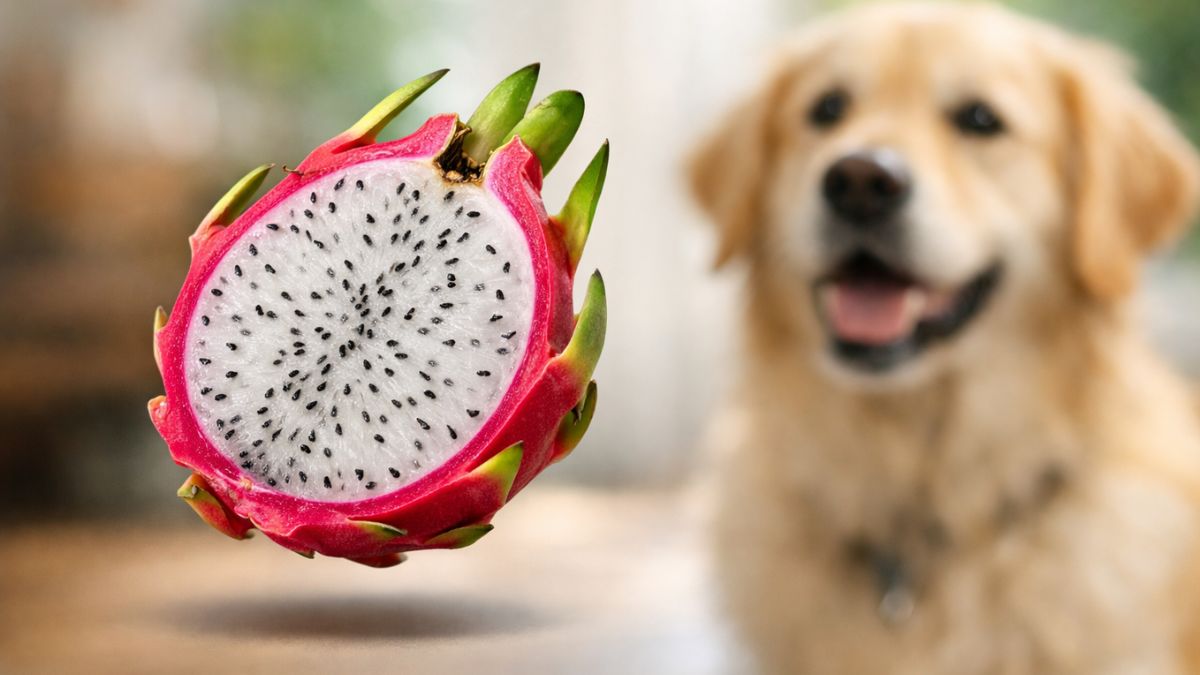
Yes, absolutely! Dragon fruit (pitaya) is completely safe for dogs and offers excellent nutritional benefits. Both the white and red varieties are non-toxic and make a healthy, hydrating treat.
Quick Safety Rating
| Factor | Rating | Details |
|---|---|---|
| Safety | ✅ Safe | Non-toxic and dog-friendly |
| Serving Size | 2–4 chunks | Per 10kg (22 lbs) body weight |
| Frequency | 2–3x / week | Great regular treat option |
| Preparation | Peeled, bite-sized | Remove skin, seeds are safe |
| Toxicity | None | Completely safe fruit |
Why Dragon Fruit Is Great for Dogs
Dragon fruit, also known as pitaya, is one of the safest and most beneficial exotic fruits you can share with your dog. Veterinarians often recommend it as an occasional treat thanks to its hydration, fiber, and antioxidant content.
💧 Hydration Powerhouse
87% water content makes it perfect for hot days and active dogs.
🦠 Digestive Support
High fiber promotes healthy digestion and gut bacteria.
🛡 Immune Boost
Rich in vitamin C and antioxidants that help fight inflammation.
⚖️ Low Calorie Treat
Only ~60 calories per 100g — ideal for dogs on a diet.
Nutritional Breakdown
Per 100g of dragon fruit flesh:
- 💧 Water: 87g
- 🔥 Calories: 60 kcal
- 🌾 Fiber: 3g
- 🍊 Vitamin C: 9–10 mg
- 🩸 Iron: 1.9 mg
- 💪 Magnesium: 40 mg
- 🦴 Calcium: 8–9 mg
- 🍬 Natural sugars: 7–9g
Antioxidant Power
Dragon fruit contains betalains (especially the red variety), flavonoids, and vitamin C. These antioxidants help fight free radicals, reduce inflammation, and support healthy aging in dogs.
How to Prepare Dragon Fruit for Your Dog
Dragon fruit is one of the easiest exotic fruits to prepare for dogs:
Step-by-Step Preparation
1. Choose Fresh Dragon Fruit
- Select fruits with bright, even-colored skin
- Should yield slightly to gentle pressure (ripe)
- Avoid fruits with brown spots or mushy areas
2. Wash the Outside
- Rinse thoroughly under running water
- Even though you’ll peel it, surface bacteria can transfer
3. Remove the Skin
- Cut the fruit in half lengthwise
- Scoop out the flesh with a spoon (like an avocado)
- OR peel the thick skin away with your hands
- Discard all skin - it’s tough and indigestible
4. Cut Into Bite-Sized Pieces
- Small dogs: 1cm cubes
- Medium dogs: 2cm chunks
- Large dogs: 3cm pieces
- The black seeds are edible and safe!
5. Serve Fresh or Frozen
- Fresh: Room temperature or chilled
- Frozen: Freeze chunks for a refreshing summer treat
- Mix with regular meals or serve as standalone snack
Serving Guidelines by Dog Size
Recommended Portions
| Dog Size | Weight Range | Maximum Serving | Frequency |
|---|---|---|---|
| Toy | 2-7 kg (4-15 lbs) | 2-3 small chunks | 2-3x per week |
| Small | 7-15 kg (15-33 lbs) | 4-5 chunks | 2-3x per week |
| Medium | 15-30 kg (33-66 lbs) | 6-8 chunks | 2-3x per week |
| Large | 30-45 kg (66-100 lbs) | 8-10 chunks | 2-3x per week |
| Giant | 45+ kg (100+ lbs) | 10-12 chunks | 2-3x per week |
First-Time Feeding
When introducing dragon fruit for the first time:
- Start with 1-2 small pieces
- Wait 24 hours and monitor for reactions
- Watch for any digestive changes (rare with dragon fruit)
- Gradually increase to recommended amounts if no issues occur
Can Dogs Eat Dragon Fruit Skin?
No, dogs should not eat dragon fruit skin or peel.
Why the Skin Is Problematic:
❌ Tough and Indigestible: The thick, leathery skin can cause digestive upset
❌ Potential Blockage: May not break down properly in the digestive tract
❌ Choking Hazard: The tough texture can be difficult to chew and swallow
❌ Pesticide Residue: Outer skin may contain chemicals from growing process
Always remove and discard the entire pink/yellow outer layer before serving to your dog.
Different Dragon Fruit Varieties
Are All Types Safe for Dogs?
✅ White-Fleshed Dragon Fruit (most common)
- Mildly sweet flavor
- Lowest sugar content
- Safest option for diabetic-prone dogs
✅ Red/Pink-Fleshed Dragon Fruit
- Slightly sweeter taste
- Contains betalains (extra antioxidants)
- May cause pink/red stool or urine - this is normal and harmless!
✅ Yellow Dragon Fruit (rare)
- Sweetest variety
- All safety guidelines apply
- Harder to find in stores
Important Note: If your dog’s stool or urine turns pink/red after eating red dragon fruit, don’t panic. This is a harmless, temporary color change from the natural betalain pigments. It should resolve within 24-48 hours.
Potential Side Effects (Rare)
Dragon fruit is extremely safe, but some dogs may experience:
Mild Digestive Changes
Possible reactions (uncommon):
- 💩 Loose stools (from high fiber, especially if overfed)
- 💨 Mild gas or bloating
- 🎨 Pink/red colored stool or urine (from red variety - harmless)
When to Reduce Portions:
If your dog experiences loose stools:
- Reduce serving size by half
- Offer only once per week initially
- Gradually increase frequency as digestive system adjusts
Call Your Vet If:
🚨 Severe vomiting or diarrhea (very rare) 🚨 Allergic reactions (itching, swelling, hives) 🚨 Lethargy or loss of appetite
These reactions are extremely uncommon with dragon fruit but warrant professional attention if they occur.
Creative Ways to Serve Dragon Fruit
Beyond Basic Chunks
1. Frozen Dragon Fruit Cubes
- Freeze bite-sized pieces for 2-4 hours
- Perfect for hot summer days or teething puppies
2. Dragon Fruit Smoothie Bowl
- Blend dragon fruit with plain yogurt (unsweetened)
- Pour into a bowl and let your dog lick it up
- Great for enrichment and slower eating
3. Training Treat Bites
- Cut into tiny pieces for training sessions
- Low calorie makes it perfect for repetitive rewards
4. Mixed Fruit Salad
- Combine with blueberries, watermelon, and banana
- Creates variety and extra nutrients
5. Stuffed Kong Toy
- Mash dragon fruit and stuff into a Kong
- Freeze for extended entertainment
Frequently Asked Questions
Can puppies eat dragon fruit?
Yes! Dragon fruit is safe for puppies over 8 weeks old. Start with very small amounts (1-2 tiny pieces) and introduce gradually. The soft texture and high water content make it an excellent choice for young dogs. Always supervise puppies while eating any new food.
Can dogs eat dragon fruit seeds?
Yes, the small black seeds in dragon fruit are completely safe and edible for dogs. Unlike some fruits, you don’t need to remove them. They’re soft, digestible, and actually provide additional fiber and healthy fats. No preparation needed!
Is dragon fruit good for dogs with kidney disease?
Dragon fruit is low in phosphorus and moderate in potassium, which can make it suitable for some dogs with kidney issues. However, always consult your veterinarian before introducing new foods to dogs with kidney disease, as dietary requirements vary by individual case.
Can diabetic dogs eat dragon fruit?
Dragon fruit has a relatively low glycemic index compared to other fruits, but it still contains natural sugars. Diabetic dogs can have very small amounts occasionally (1-2 pieces), but consult your veterinarian first for personalized guidance based on your dog’s insulin management.
Why did my dog’s poop turn pink?
This is completely normal! The red/pink variety of dragon fruit contains betalain pigments that can temporarily color your dog’s stool or urine pink or red. It’s harmless and will resolve within 24-48 hours. The pigments simply pass through the digestive system.
Can dogs be allergic to dragon fruit?
Allergies to dragon fruit in dogs are extremely rare but theoretically possible. Signs of an allergic reaction include itching, hives, swelling (especially face), vomiting, or difficulty breathing. If you notice any of these symptoms, stop feeding dragon fruit and contact your veterinarian immediately.
Is frozen dragon fruit as good as fresh?
Yes! Frozen dragon fruit retains almost all of its nutritional value and is actually preferred by many dogs, especially in warm weather. You can buy pre-frozen chunks or freeze fresh pieces yourself. Frozen dragon fruit makes an excellent cooling treat for hot days or after exercise.
Dragon Fruit vs. Other Exotic Fruits for Dogs
| Fruit | Safety | Prep Difficulty | Nutritional Value |
|---|---|---|---|
| Dragon Fruit | ✅ Very Safe | Easy | High (hydration, fiber) |
| Mango | ✅ Safe | Moderate | High (vitamins) |
| Papaya | ✅ Safe | Easy | High (digestive enzymes) |
| Kiwi | ✅ Safe | Easy | Moderate |
| Lychee | ⚠️ Caution | Difficult | Moderate (high sugar) |
| Starfruit | ❌ Avoid | N/A | Can be toxic to pets |
Winner: Dragon fruit ranks as one of the easiest and safest exotic fruits for dogs with minimal preparation required.
Related: Can Dogs Eat These Exotic Fruits?
- Papaya - ✅ Safe and beneficial
- Mango - ✅ Safe (remove pit)
- Kiwi - ✅ Safe (peel first)
- Lychee - ⚠️ Caution (seeds dangerous, high sugar)
- Starfruit - ❌ Avoid - Can be toxic
Veterinary Expert Opinion
Dr. Michael Torres, DVM, states: “Dragon fruit is one of my favorite fruits to recommend to dog owners. It’s nearly impossible to prepare incorrectly, offers genuine nutritional benefits, and I’ve never seen an adverse reaction to it in my 15 years of practice. The hydration factor alone makes it valuable, especially for dogs who don’t drink enough water. Just remember the 10% treat rule - it should complement, not replace, a balanced diet.”
The Bottom Line
Dragon fruit is an excellent choice for dogs because:
- ✅ 100% safe - No toxic compounds
- ✅ Easy to prepare - Just peel and cut
- ✅ Nutritionally beneficial - Vitamins, fiber, hydration
- ✅ Low calorie - Won’t contribute to weight gain
- ✅ Dogs love it - Naturally sweet and appealing texture
- ✅ Seeds are edible - No tedious seed removal required
When to choose dragon fruit:
- Your dog needs extra hydration
- You want a low-calorie, healthy treat
- You’re looking for variety in your dog’s diet
- Summer heat requires cooling treats
- Your dog has a sensitive stomach (very gentle fruit)
Perfect for: All dogs, including puppies, seniors, and those with sensitive stomachs. One of the most universally safe fruits you can offer.
Disclaimer: This article is for informational purposes only and does not replace professional veterinary advice. Always consult your veterinarian before introducing new foods to your dog’s diet, especially if your dog has pre-existing health conditions.
Rosemary for Dogs: Safe Dosage Guide
Veterinary-approved amounts by weight + why essential oils are toxic
View Full Guide →
Sources
- American Kennel Club (AKC) - Fruits and Vegetables Dogs Can Eat
- ASPCA Animal Poison Control Center
- Veterinary Nutritionists Association
- Journal of Animal Science - Exotic Fruits in Canine Diets
- Pet Nutrition Alliance